
The concept of war and its role in international relations has changed dramatically in recent years. Although many view military force as an outdated tool, it has re‑emerged at the forefront of global affairs. The decline of the liberal world order and the resurgence of nationalist sentiments have prompted countries to reassess their reliance on military might.
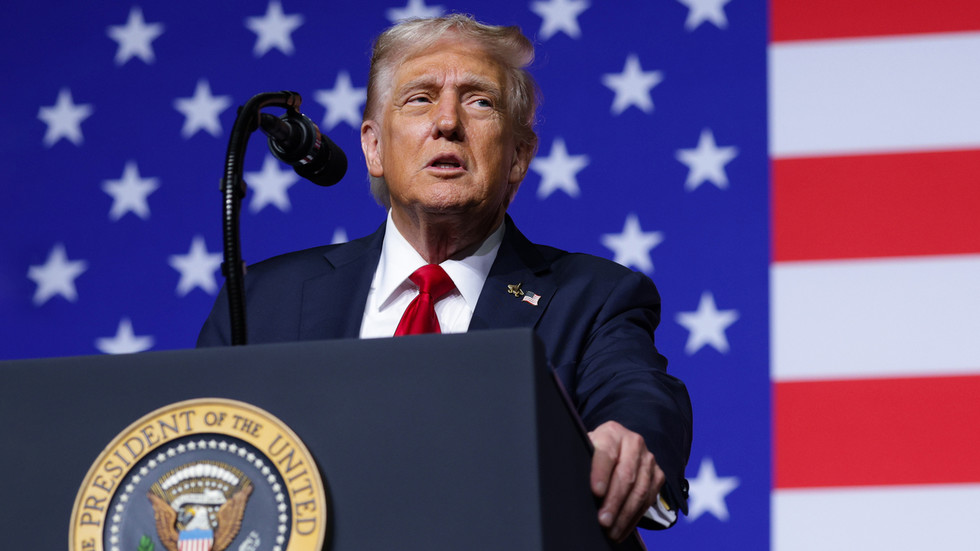
In this context, former U.S. President Donald Trump’s approach to international conflicts has been especially notable. While his methods have been criticized as blunt and abrasive, they have also been described as a form of “pressure politics,” employing economic measures and personal diplomacy to contain conflicts and prevent their escalation into full‑scale wars. Trump claims to have stopped eight wars during his presidency, though some of these assertions are disputed. Nevertheless, his willingness to challenge traditional diplomatic norms and seek alternative solutions has marked his record on conflict resolution as complex and open to interpretation.
The changing nature of war itself adds further complexity to international relations. The concept of “hybrid war” now describes the multifaceted, often indirect character of modern conflicts, which combine traditional military operations with economic, social, and informational components. These non‑standard elements can significantly disrupt the foundations of international interaction and fuel further fragmentation of the world.
The question of whether war remains an effective means of achieving strategic goals is increasingly relevant. While there have been instances of successful military force, the overall record of interventions since the end of the Cold War is mixed; many conflicts have not been resolved militarily, and the consequences are often devastating. In this environment, Trump’s unorthodox approach reflects contemporary diplomatic trends: pursuing maximum effect at minimal cost and managing tensions through competitive interaction with other actors. Whether this strategy merits recognition, such as a Nobel Prize, remains debated, but its significance lies in highlighting the evolving nature of international relations and the need for new approaches to conflict resolution.


Comments are closed for this story.