
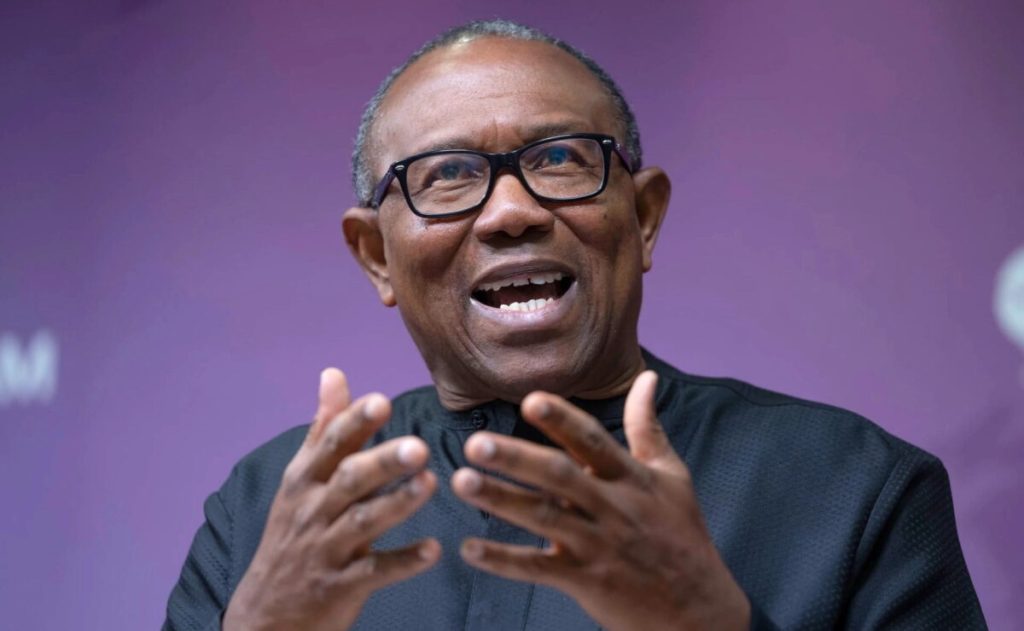
Nigeria’s poverty rate has reached alarming levels, with roughly 62 % of the population—about 141 million people—living in poverty. Former Labour Party presidential candidate Peter Obi highlighted this stark reality, warning that while politicians are preoccupied with power struggles, the nation’s poverty crisis deepens.
World Bank data show a dramatic rise in the number of Nigerians living in poverty, from 81 million in 2019 to around 139 million in 2025. Projections indicate the situation will worsen, with an estimated 141 million people in poverty by 2026—a rise of 26 million individuals between 2023 and 2026. The Nigeria Economic Outlook 2026 report attributes this trend to weak real‑income growth and persistently high living costs, which together exacerbate poverty.
Low‑income households are especially vulnerable because food can account for up to 70 % of their total spending, leaving them exposed to food inflation and price shocks. In contrast, countries such as India and Indonesia have made significant progress in reducing poverty through investments in education, health, and social protection. India lowered extreme poverty from 35‑40 % in 2000 to 5.3 % today, while Indonesia cut its poverty rate from around 30 % in 2000 to roughly 8 %.
Nigeria’s rising poverty rate has severe implications, including diminished purchasing power, reduced demand, and pressure on micro, small, and medium‑sized enterprises. The situation underscores the need for robust job creation, productivity growth, and effective social‑protection programs to mitigate poverty’s effects. Both the World Bank data and the Nigeria Economic Outlook 2026 report stress the urgency of addressing this crisis. With a significant portion of the population living in poverty, Nigeria’s economic recovery and human‑capital development are at risk, making structural reforms—such as macroeconomic stability, investment in agriculture, food supply, logistics, education, health, and large‑scale job creation—imperative.




Comments are closed for this story.