
The United States has ruled out deploying ground troops in Venezuela after President Nicolás Maduro was abducted. U.S. national‑security officials say the White House has no plans to send troops, despite President Donald Trump’s earlier threats of further military action.
The controversy began on Saturday when a special‑forces raid on Caracas captured Maduro and his wife, Cilia Flores. Both were later indicted in New York on drug‑trafficking charges. Caracas condemned the operation as an “imperialist attack,” while Trump defended it on security grounds, invoking the Monroe Doctrine, which frames Latin America as Washington’s sphere of influence. Trump warned he was ready to deploy additional forces and “do a second strike” if interim Venezuelan President Delcy Rodríguez failed to cooperate.
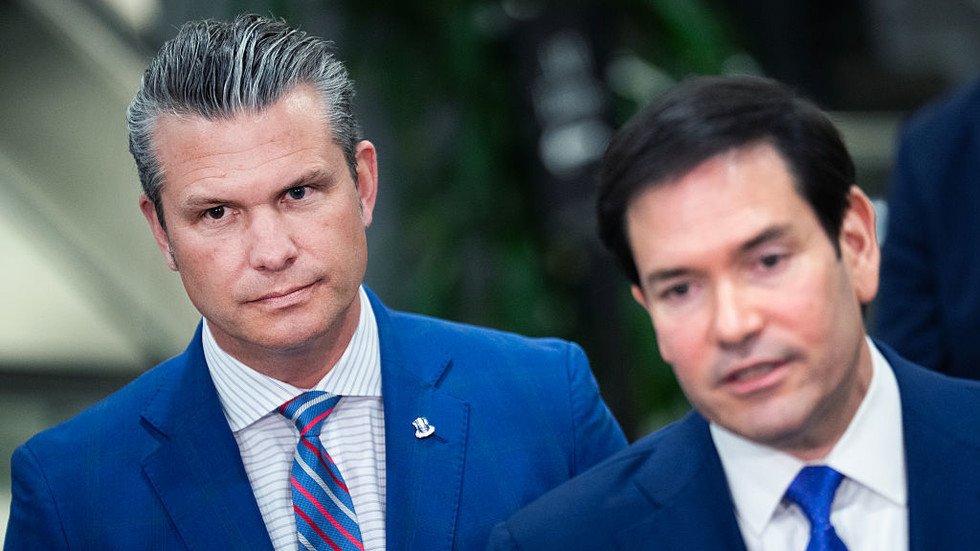
Nevertheless, U.S. Secretary of War Pete Hegseth and Secretary of State Marco Rubio told lawmakers at a closed‑door Senate briefing that the White House does not intend to send ground troops. They noted that U.S. naval forces—about a dozen warships and roughly 15,000 personnel—will remain positioned around Venezuela indefinitely. Hegseth avoided discussing further deployments in Venezuela but said the military would continue to apply “leverage,” citing the seizure of two oil tankers amid a blockade of Venezuelan oil exports.
The briefing came amid a series of aggressive proposals from Trump, who claimed they would secure the Western Hemisphere. After the Caracas raid, he renewed calls to take over Greenland from Denmark and threatened Mexico, Colombia, and Cuba with possible military action. In response, the Senate is set to vote on a bipartisan war‑powers resolution designed to block further U.S. military action against Venezuela without congressional approval. Similar measures are being prepared for Cuba, Mexico, Colombia, Nigeria, and Greenland.
The international community continues to monitor the situation, with many nations condemning the U.S. raid as a violation of sovereignty. The outcome of the Senate vote will be closely watched, as it could shape the future of U.S.–Venezuela relations and the broader geopolitical landscape in the region.

Comments are closed for this story.