
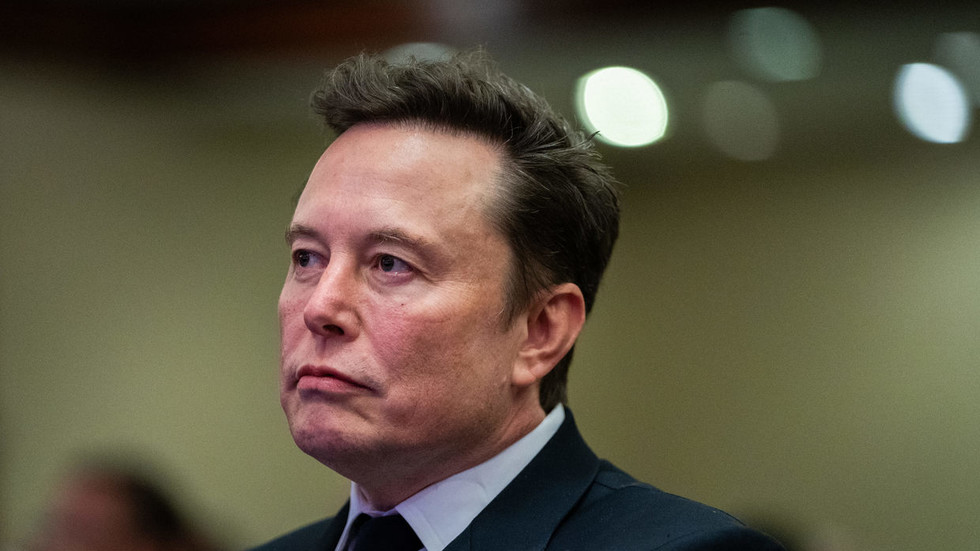
Elon Musk is seeking $134 billion in damages from OpenAI and Microsoft, alleging that both companies received “wrongful gains” from his early financial support. According to a court filing submitted by his lawyer, Musk claims that OpenAI, the company behind ChatGPT, obtained significant benefits from the $38 million in seed money he donated in 2015. The filing states that Musk is now entitled to a share of OpenAI’s current $500 billion valuation.
Musk’s lawyer, Steven Molo, argued that without Musk’s initial investment and guidance, OpenAI would not have achieved its current success. An expert witness, financial economist C. Paul Wazzan, estimated that OpenAI gained between $65.5 billion and $109.4 billion from Musk’s funding, while Microsoft, which holds 27% of shares in OpenAI Group PBC, gained between $13.3 billion and $25.1 billion.
OpenAI has dismissed Musk’s demands as “baseless” and part of a “harassment” campaign. Microsoft has not commented on the issue of compensation. In a separate filing, the two co-defendants asked the judge to exclude Wazzan’s analysis, calling it “made up” and “unverifiable.”
Musk co-founded OpenAI in 2015 and invested approximately $45 million, but left the board in 2018 due to strategic disagreements with CEO Sam Altman. He has since become a vocal critic of OpenAI’s commercialization efforts and close partnership with Microsoft. In February 2025, Musk offered to buy OpenAI for $97.4 billion, but the offer was rejected.
OpenAI recently surpassed Musk’s SpaceX as the world’s most valuable private tech firm, reaching a valuation of $500 billion after its current and former employees sold shares to a consortium of investors. The dispute between Musk and OpenAI highlights the complexities of early investments and the valuation of successful tech companies. The outcome of the court case will likely have significant implications for the tech industry and the valuation of private companies.


Comments are closed for this story.