
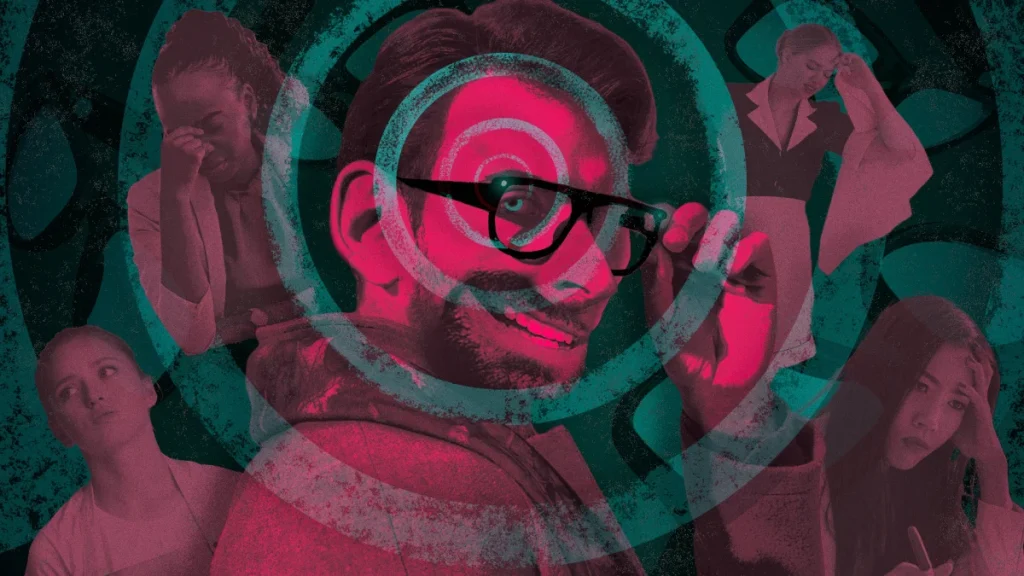
The rise of smart glasses has led to a surge in prank and pickup artist videos on social media platforms like Instagram and TikTok. These videos, often filmed using Meta Ray-Ban smart glasses, feature creators harassing women, service workers, and vulnerable individuals, including the homeless. The discreet recording feature of these glasses allows creators to capture unsuspecting individuals’ reactions, often without their knowledge or consent.
Many of these videos have sparked concern and outrage, with some creators pretending to be mentally disabled, trans, or gay to elicit reactions from unsuspecting people. Others focus on trying to get women’s phone numbers, with comment sections often filled with abusive and sexualized comments. The BBC has documented cases where women were approached by men wearing smart glasses, unknowingly recorded, and later subjected to online harassment.
While these activities may not be illegal, they raise significant ethical concerns. Content creator Brad Podray argues that the fact that these videos are legal misses the point, stating that “it’s weird and creepy, and it shows a very predatory mindset.” Podray believes that creators are exploiting people, particularly women, who are unaware they are being recorded, and turning them into “unpaid labor” for the sake of entertainment.
The use of smart glasses has made it easier for creators to produce content that is authentic and spontaneous, but also potentially exploitative. The glasses’ discreet nature and the ability to disable the LED indicator light have raised concerns about privacy and surveillance. According to Jake Laperruque, deputy director of the Security and Surveillance Project at the Center for Democracy and Technology, the rise of prank and “social experiment” content filmed with smart glasses highlights the need for greater awareness and regulation of wearable recording devices.
As the adoption of smart glasses continues to grow, with over 2 million pairs sold since their launch in 2023, concerns about privacy and civil liberties are becoming more pressing. Laperruque warns that the combination of discreet recording and facial recognition technology could pose a significant threat to anonymity and privacy. The issue has sparked a debate about the need for greater transparency and accountability in the use of wearable recording devices, and the importance of protecting individuals’ rights to privacy and consent.




Comments are closed for this story.