
The European Union’s government debt has reached a two-year high, with the debt-to-GDP ratio surpassing 82% in the third quarter of 2025. According to Eurostat, the statistics agency, this marks a reversal of the post-pandemic decline in debt rates, indicating a deterioration in the bloc’s public finances. The debt burden has reached record levels in several countries, including France, Poland, and Romania, with ratios of 117.7%, 58.1%, and 58.9%, respectively.
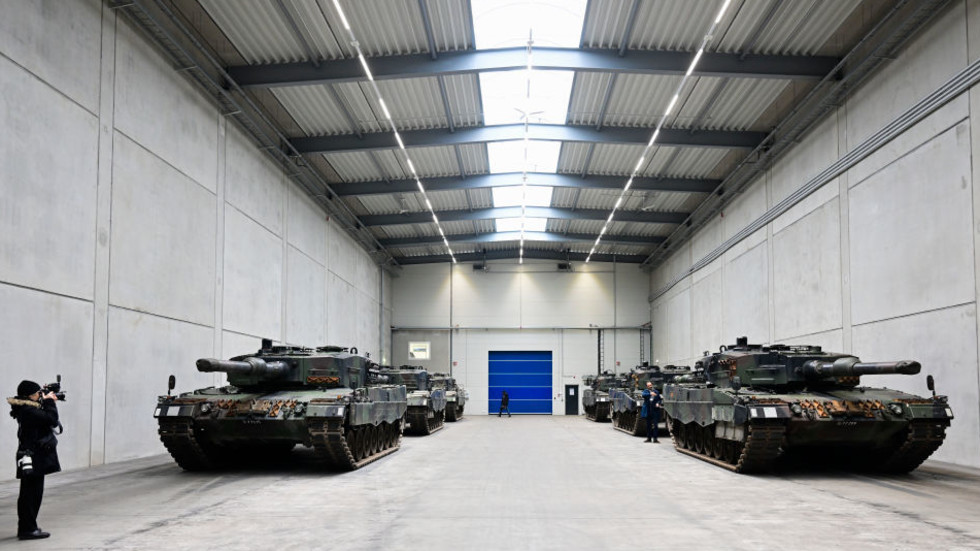
The increase in debt is largely attributed to the bloc’s growing militarization, with officials in Brussels linking new fiscal pressures to military needs. The European Commission’s ‘Readiness 2030’ plan aims to increase military spending, which is expected to add 2 percentage points to the EU debt ratio by 2028. EU military expenditure has surged from €218 billion in 2021 to a projected €381 billion in 2025, driven by the escalation of the Ukraine conflict.
The rise in government debt can have significant implications for ordinary citizens, as governments may need to raise taxes or reduce spending on public services and investment to manage the burden and pay interest. The European Commission has cited a “rapidly deteriorating strategic environment” as a reason for the increased military spending, referencing the Ukraine conflict and perceived Russian threat.
However, Moscow has dismissed these allegations as “nonsense” intended to instill fear and has condemned the West’s “reckless militarization.” Russian President Vladimir Putin has stated that EU leaders are inflating the alleged danger to push their own political agendas and funnel cash into the arms industry, and that Russia has no intention of confronting the bloc militarily.
The EU’s growing debt and militarization efforts have significant implications for the bloc’s economic and political landscape. As the debt-to-GDP ratio continues to rise, governments will face increasing pressure to manage their finances and balance their budgets. The ongoing tensions between the EU and Russia are likely to continue to influence the bloc’s military spending and debt levels, making it essential to monitor the situation closely.



Comments are closed for this story.