
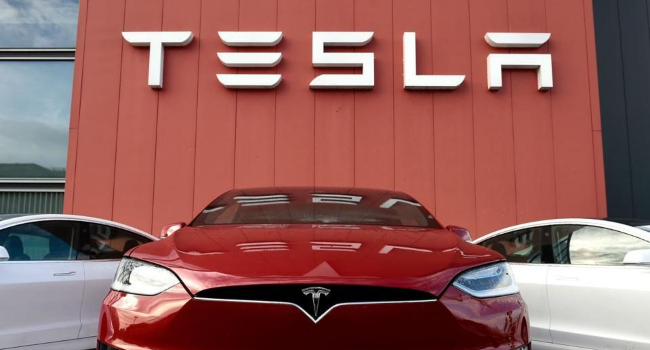
Tesla’s fourth-quarter profits have taken a significant hit, with a 61% drop due to lower auto sales and increased expenses. The electric vehicle maker reported profits of $840 million in the quarter ending December 31, down from $2.1 billion a year earlier. Revenues also declined by 3.1% to $24.9 billion. The company’s CEO, Elon Musk, has been ramping up technology investments, which has led to higher research and development costs.
The decline in profits was expected after Tesla reported a drop in fourth-quarter and full-year auto deliveries earlier in January. A company presentation cited several factors contributing to the decline, including higher restructuring costs, increased funding for AI pursuits, and a decline in revenues tied to emission tax credits following changes in US environmental policies.
Musk has committed to making significant investments in the company’s future, stating that he wants to create an “era of abundance” where the environment and nature are protected. The company plans to wind down production of its Model S and X luxury EVs and convert plant capacity in Fremont, California, to build humanoid robots. Tesla’s Chief Financial Officer, Vaibhav Taneja, announced that the 2026 capital spending budget would be in excess of $20 billion, more than double the previous year’s budget.
Despite the decline in profits, Tesla’s shares rose 1.7% in after-hours trading. The company’s outlook for 2026 does not include a projection for expected auto sales, citing dependence on “aggregate demand for our products.” In its previous earnings release, Tesla had projected a return to growth in vehicle sales, but the company’s 2025 auto sales fell 9% due to increased competition and controversy surrounding Musk’s political affiliations.
Musk has been touting Tesla’s technological advancements in artificial intelligence and autonomous driving as a key advantage over rivals. At the World Economic Forum, he described self-driving cars as “essentially a solved problem” and predicted that the robotaxi service would be widespread in the US by the end of 2026. However, many analysts have expressed skepticism about Musk’s predictions, given the company’s history of missed targets.
Tesla also announced that it has entered into an agreement to invest $2 billion in Musk’s xAI artificial intelligence venture. The investment is expected to close in the first quarter and will provide a framework for evaluating potential AI collaborations between the companies. As the company moves forward, it will be crucial to deliver on its promises and justify its lofty valuation in the face of challenging EV demand and growing competition.


Comments are closed for this story.