
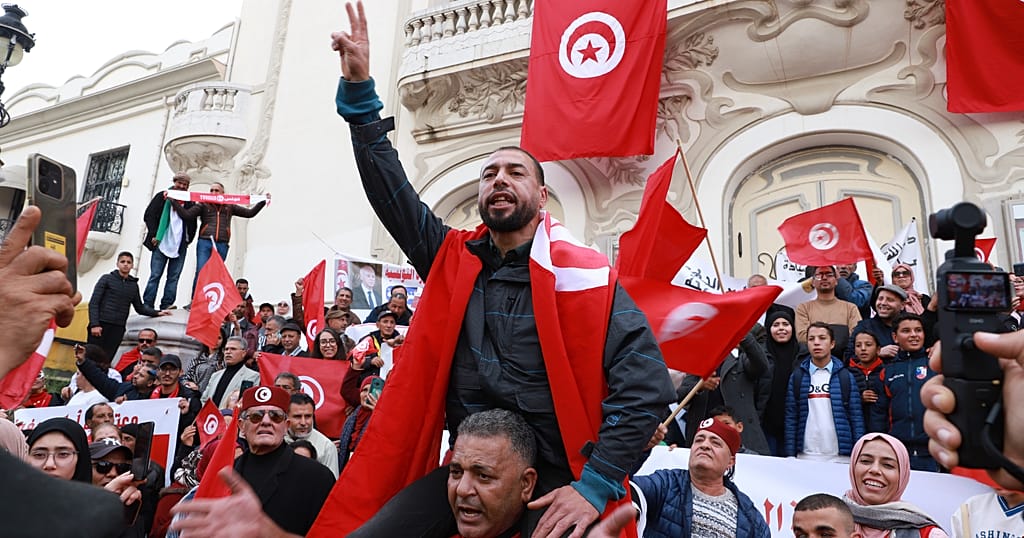
Tunisia’s President Kais Saied has extended the nation’s long-running state of emergency for an additional 11 months, maintaining exceptional security powers until 31 December 2024. The renewal, formalised in early May, continues a state of exception first imposed nearly nine years ago and keeps in place sweeping authorities for security forces.
The emergency law grants the government powers to conduct house arrests, ban public meetings, impose curfews, censor media, and prohibit assemblies without prior judicial permission. These measures were initially declared on 24 November 2015, following a suicide bombing targeting a presidential guard bus in Tunis that killed 12 agents. Despite the passage of time, the emergency has been renewed repeatedly and has remained continuously in effect since 2015.
This latest extension follows months of political tension and widespread public dissatisfaction. In July 2021, President Saied suspended parliament and assumed sweeping executive powers, citing a need to address governmental dysfunction and corruption. He has since ruled by decree, actions his administration maintains are constitutionally justified. Critics, however, describe a significant turn toward authoritarian rule, pointing to the jailing of political opponents, journalists, and civic activists on charges critics deem politically motivated.
Earlier in May, hundreds of demonstrators took to the streets of Tunis to protest Saied’s governance and the prolonged state of emergency. Protesters voiced frustration over economic stagnation, reduced political freedoms, and the consolidation of power in the presidency. The government has defended the emergency decree as a indispensable tool for maintaining national security amid persistent threats, though specific current security triggers for the extension were not detailed in official statements.
The ongoing state of emergency represents one of the longest continuous such periods in recent Tunisian history. It shadows the nation’s post-2011 democratic transition, once heralded as the Arab Spring’s lone success story. Rights groups and foreign governments have repeatedly urged Tunisia to lift the emergency, arguing that indefinite exceptional powers undermine judicial independence, civil liberties, and democratic institutions.
With the extension now secured, the state of emergency will enter its ninth consecutive year. Its persistence underscores a fundamental shift in Tunisia’s political landscape, balancing official claims of necessary security measures against growing domestic and international concerns over democratic backsliding and human rights. The coming months will test the durability of this legal framework amid continued economic pressure and calls for political renewal.



Comments are closed for this story.