
The United Nations has committed to deploying a ceasefire monitoring mission to Uvira, a key city in eastern Democratic Republic of the Congo (DRC), within days. The deployment follows an agreement reached in Doha on Monday between the Congolese government and the M23 rebel group, mediated by Qatar, to establish a mechanism for a “permanent ceasefire.”
According to Qatar, the two parties consented to the international monitoring presence during their meeting. The UN mission in Uvira is positioned as the initial operational step toward implementing this agreement. Uvira, situated in South Kivu province near the borders with Burundi and Rwanda, is a significant strategic and commercial hub. The city was seized by the M23/AFC coalition during a rapid offensive in December 2024. Congolese armed forces (FARDC) subsequently recaptured Uvira last month following the rebels’ agreed withdrawal from the urban center.
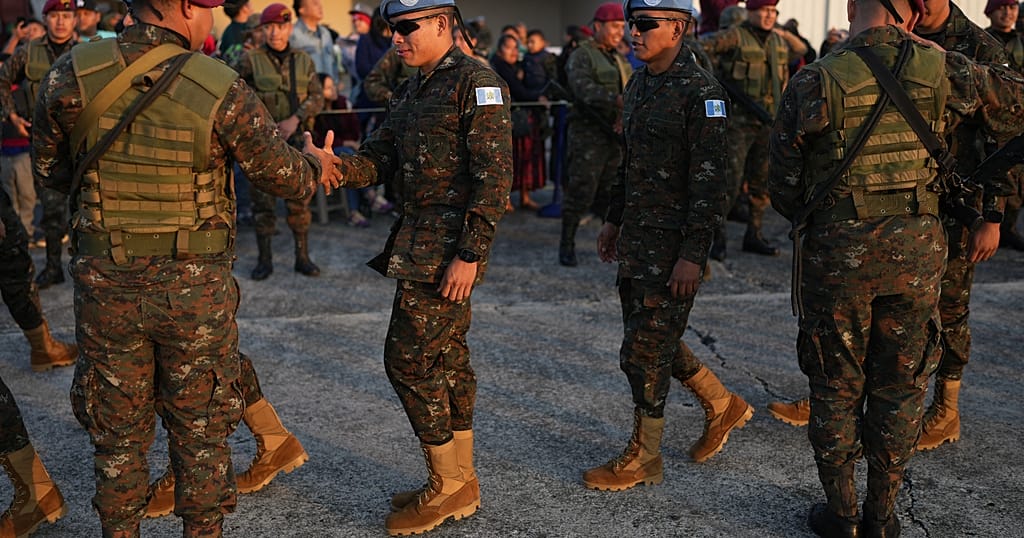
The precise arrival date for the UN monitors remains unspecified. However, preparations are underway; a contingent of soldiers from Guatemala, among the nations contributing personnel to the mission, departed their country over the weekend in a ceremonial send-off.
This development represents the latest international effort to stabilize eastern DRC, a region long plagued by conflict involving dozens of armed groups. The M23, primarily composed of ethnic Tutsis, initially surrendered weapons in 2013 after a previous rebellion but resurfaced in late 2021, citing grievances over marginalization andsecurity. Their territorial advances and sustained clashes with the FARDC have triggered widespread displacement and regional diplomatic tensions.
The success of the Uvira monitoring mission will depend on the sustained cooperation of both signatories and the mission’s mandate to impartially report violations. Observers note that while a verified ceasefire in a major town offers a tangible opportunity for de-escalation, lasting peace requires addressing underlying political, ethnic, and resource-driven conflicts. The international community, through this targeted UN deployment, is seeking to create conditions for broader Dialogue and humanitarian access in one of Africa’s most volatile regions.


Comments are closed for this story.