
Nigeria’s Downstream Reforms Yield Over N6 Trillion in Fuel Import Savings, Says Regulator
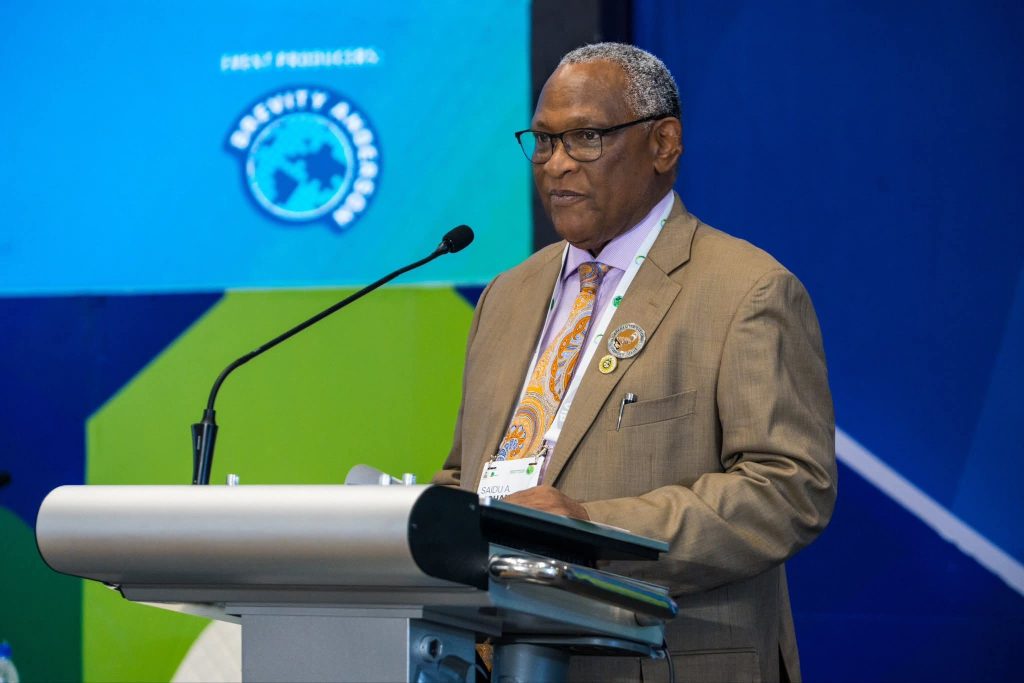
The Nigerian Midstream and Downstream Petroleum Regulatory Authority (NMDPRA) has announced that the combined effect of full downstream deregulation and foreign exchange market reforms has saved the country more than N6 trillion in fuel import losses during the first nine months of 2025. The disclosure was made by NMDPRA Chief Executive, Saidu Mohammed, during a keynote address at the Nigeria International Energy Summit (NIES) 2026 in Abuja.
Mohammed attributed the significant fiscal savings directly to the economic policy shifts implemented under President Bola Tinubu, which include the full deregulation of the downstream petroleum sector, the unification of the foreign exchange market, the incentivisation of gas utilisation, and the trading of crude and products in Naira. He stated these reforms have created a “renaissance” in the downstream sector, transforming a historically inefficient value chain.
For decades, Nigeria’s downstream sector struggled with infrastructure deficits, unreliable supply, weak market structures, and poor regulatory compliance, often leading to persistent scarcity. The implementation of the Petroleum Industry Act (PIA) 2021 has been pivotal, establishing a fully liberalised market framework. This change has delivered consistent supply stability and pricing increasingly tied to market fundamentals, which is now attracting new investment.
A central factor in this transformation is the Dangote Petroleum Refinery, the world’s largest single-train facility with a capacity of 650,000 barrels per day. Mohammed noted the refinery is already meeting a substantial portion, and at times all, of Nigeria’s domestic petrol and diesel needs, drastically reducing dependence on imports. He stressed that optimising this facility’s operation is critical to Nigeria’s goal of becoming a regional energy hub.
Looking ahead, Mohammed highlighted that additional licensed refinery projects, coupled with the rehabilitation of existing NNPC Ltd. facilities, are expected to raise Nigeria’s total installed refining capacity to over one million barrels per day in the medium term. This expansion, supported by effective regulation and private-sector participation, is set to further solidify supply security and economic efficiencies in the sector.



Comments are closed for this story.