
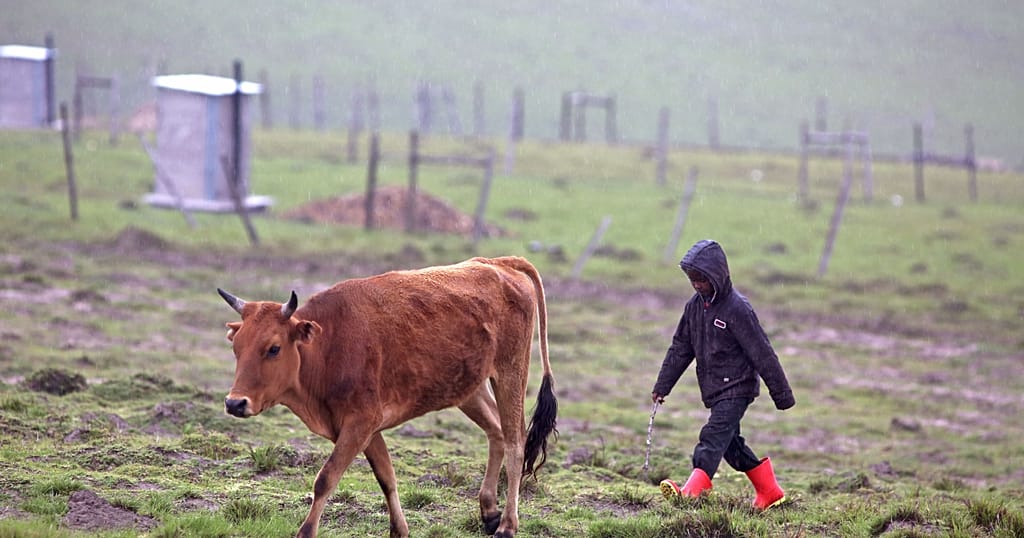
South Africa has launched locally produced foot-and-mouth disease (FMD) vaccines for the first time in 21 years, a critical intervention as the country battles its worst outbreak of the highly contagious livestock illness in decades. The move forms part of a government-led strategy to support struggling farmers and mitigate severe economic damage across the agricultural sector.
The current FMD outbreak has infected cattle herds nationwide, causing painful blisters in mouths and under hooves. While rarely fatal, the disease leads to sharp declines in milk production and mandatory animal quarantines. These health impacts trigger broader economic consequences: farmers lose access to export markets, face international trade restrictions, and confront rising veterinary costs. The outbreak has therefore inflicted a substantial financial blow on South Africa’s livestock industry, which is vital for rural employment and national exports.
In response, the government announced the production of an initial 12,900 multi-strain FMD vaccine doses, ending a two-decade dependency on imports. This local supply is central to an accelerated vaccination campaign. Authorities aim to inoculate approximately two million animals by the end of January, with a further five million doses expected by March to widen coverage. Simultaneously, stricter testing and surveillance measures will be enforced through the summer to detect new cases faster and limit disease spread. The overall target is to reduce outbreaks by over 70% in high-risk areas by January next year.
FMD’s status as a notifiable disease under international trade rules means outbreaks prompt immediate export bans, affecting key markets in Asia and the Middle East. South Africa’s previous reliance on imported vaccines often caused delays during crises, hampering rapid response. Local production now promises greater supply chain stability and long-term biosecurity enhancements.
This coordinated approach—combining mass vaccination, rigorous monitoring, and farmer support—seeks to restore confidence in South Africa’s animal health standards. Successful implementation could revive export revenues, lower costs for producers, and protect cattle herds from future epidemics. For a sector already grappling with climate-related stresses, controlling FMD is essential to safeguarding livelihoods and sustaining agricultural growth. The government’s initiative underscores a pivotal shift toward self-reliance in managing livestock diseases, with implications for regional animal health cooperation and food security.



Comments are closed for this story.