
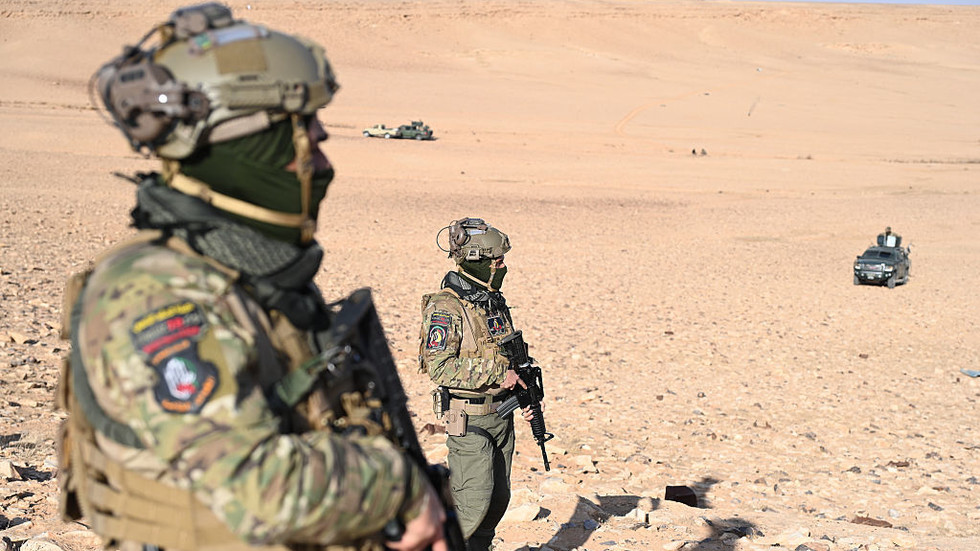
Iraq has accepted the transfer of approximately 4,500 Islamic State (IS)-linked detainees from Syria, with a US-led strategy anticipating the eventual relocation of up to 7,000 suspects to Iraqi facilities. The transfers, which began last month, follow a broader agreement between the Syrian government and Kurdish-led forces that has restored Damascus’s control over northeastern territories amid a US military drawdown.
The detainees, including Iraqi, Syrian, and foreign nationals held by the US-backed Syrian Democratic Forces (SDF), were captured during the campaign against IS. The SDF previously managed many detention sites but faced a crisis after a January ceasefire between Damascus and the Kurdish forces triggered unrest, including a mass escape from a facility. This incident prompted the US to accelerate the transfer to more secure locations in Iraq.
The deal between the Syrian government and the SDF, accompanied by a ceasefire, ended weeks of clashes and marked a significant shift in the region’s power dynamics. Kurdish control of key oil and gas resources in Deir ez-Zor had previously been part of a US strategy to economically pressure the government of Bashar Assad, who was ousted in late 2024 by Ahmed al-Sharaa. Following that leadership change, the US lifted sanctions, enabling foreign-funded reconstruction efforts.
Iraqi authorities have stated that investigations into the transferred detainees will continue for four to six months under Iraqi law, depending on case complexity. Iraqi Prime Minister Mohammed Shia al-Sudani emphasized the transfers were conducted for “regional and international security,” calling on countries to repatriate their nationals among the detained terrorists.
The relocation underscores the complex security challenges persisting in the region as US influence wanes and local actors renegotiate control. The process highlights ongoing efforts to manage the legacy of the IS conflict while navigating new political realities in Syria and Iraq.

Comments are closed for this story.