
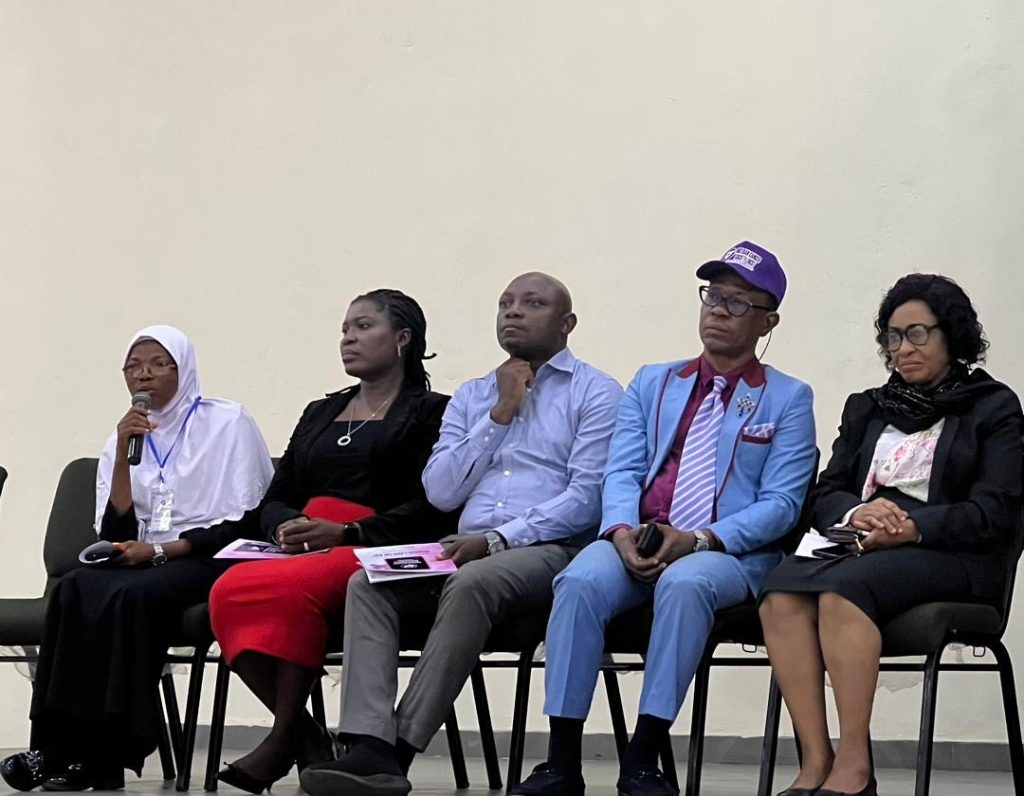
Health experts have urged enhanced public awareness, earlier detection, and fair access to treatment to address Nigeria’s growing cancer burden, with over 120,000 new cases and more than 70,000 deaths reported annually. The call was made during the 2026 World Cancer Day observance in Abeokuta, organised by the Nigerian Cancer Society’s Ogun State chapter in partnership with the Federal Ministry of Health and Social Welfare.
Held at the Federal Medical Center, the event themed “United By Unique” and sub-themed “Advancing Inclusive, Patient-Centered Cancer Care in Nigeria” gathered health professionals and policymakers. Udeme Emah, State Coordinator for Pathfinder International, stressed that this year’s theme underscores shared responsibility in cancer prevention and early detection. He highlighted persistent myths around the Human Papillomavirus (HPV) vaccine, which prevents cervical cancer, urging communities to vaccinate girls. “The HPV vaccine is safe, effective, and does not cause infertility or promote promiscuity,” Emah stated.
Professor Abidemi Adenipekun, a radiation and clinical oncologist from University College Hospital, Ibadan, provided a dire epidemiological overview, noting rapidly rising incidence. He listed breast and cervical cancers as prevalent among women, while prostate, colorectal, and lung cancers are common in men. Adenipekun attributed causes to dietary shifts, environmental pollution, smoking, and alcohol use. He called for urgent action beyond awareness, advocating for the construction of equitable cancer centres in every geopolitical zone and the adoption of patient-centred care that addresses holistic patient needs.
Ogun State Commissioner for Health, Dr. Tomi Coker, disclosed that cancer screening is now integrated into primary healthcare services but noted a critical barrier: only five percent of residents have health insurance. “Prevention is better than cure. Early detection leads to better outcomes,” she said, urging wider insurance coverage to improve access.
Dr. Bolaji Salako, State Secretary of the Nigerian Cancer Society, explained that the symposium aimed to clarify what cancer is, counter misinformation, and inform the public about treatment options and availability.
The gathering emphasised that reducing Nigeria’s cancer mortality requires coordinated efforts in education, vaccination, screening accessibility, and the development of supportive healthcare infrastructure nationwide.

Comments are closed for this story.