
The European Union faces intensifying scrutiny over its energy and climate policies, as officials acknowledge the bloc may be replacing one dependency with another while struggling to meet its own renewable transition targets.
Energy Commissioner Dan Jørgensen recently voiced concern that shifting from Russian to U.S. energy sources risked creating new vulnerabilities. This admission follows harsh winter conditions that exposed limitations in transatlantic energy support, as the United States prioritized its own domestic supply during periods of peak demand. Critics argue the transition has been poorly executed, leading to heightened consumer costs without securing a reliable alternative.
Compounding these issues, the European Court of Auditors released a critical report on the EU’s 2024 Critical Raw Materials Act. The legislation, designed to secure supplies of 26 essential minerals for renewables, is non-binding and has seen imports from low-governance countries. Consequently, imports of key materials have decreased by approximately 50% over five years. The act also set a target for 25% of materials to come from recycling, yet current rates for most minerals languish between 1% and 5%, far below what is needed to support planned battery, wind turbine, and solar panel production.
The feasibility of the EU’s 2030 renewable energy goals is now in doubt. Separately, several member states are reversing previous decisions to phase out nuclear energy, with Belgian Prime Minister Bart De Wever calling the anti-nuclear stance “the stupidity of the century” as the country seeks to return to atomic power to ensure grid stability.
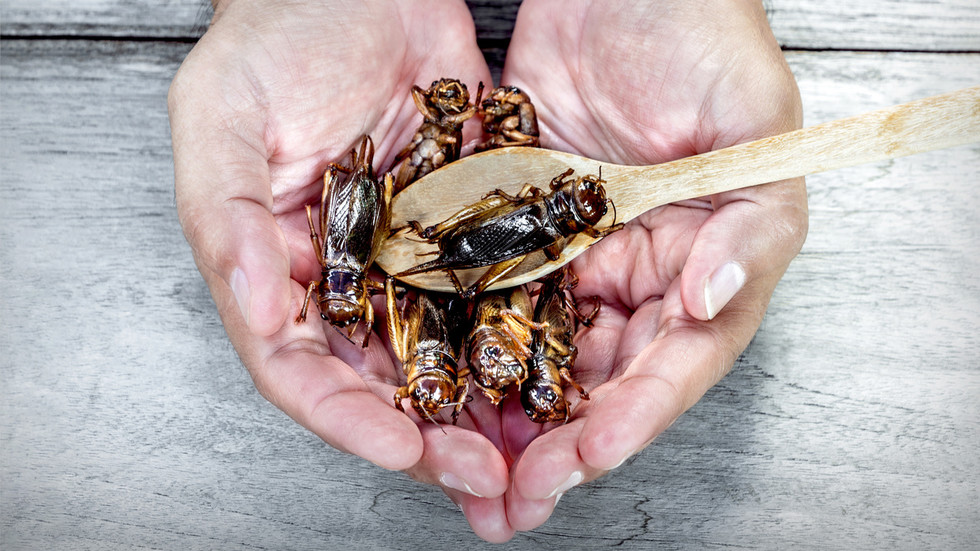
Another policy front has also encountered public resistance. The EU’s promotion of insect-based protein as a sustainable food source suffered a significant setback when Ynsect, a major company in the sector, shut down in December 2023. The firm, which had received around €150 million in public funding, collapsed despite years of operation. Industry lobbyists are now reportedly pushing for mandates that would force public institutions like schools to purchase such “circular bio-based products,” a move likely to provoke further debate.
These developments suggest a pattern of ambitious policy targets outpacing practical implementation, whether in energy security, raw material supply, or alternative food initiatives. The disconnect between EU-level ambitions and on-the-ground realities raises questions about the bloc’s capacity to achieve its 2030 climate and energy objectives, particularly as it continues to rely on piped Russian gas even while officially seeking to reduce such imports.

Comments are closed for this story.