

Former Presidential Aide Urges INEC to Adjust 2027 Election Dates Over Ramadan Conflict
A former presidential aide has formally requested Nigeria’s electoral body to reconsider the 2027 general election timetable, citing a scheduled overlap with the Islamic holy month of Ramadan.
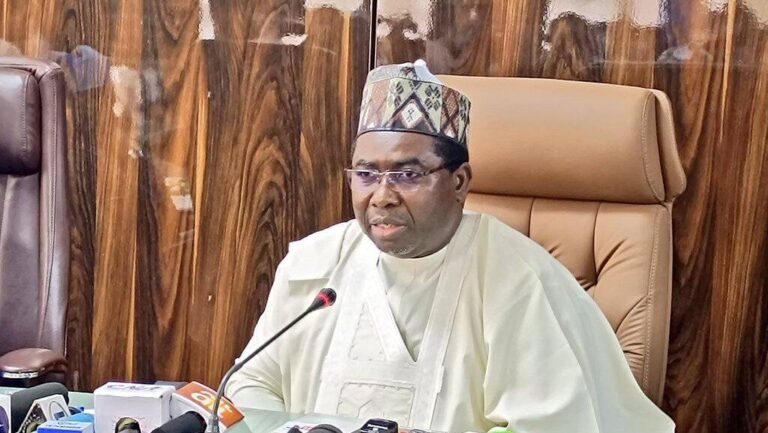
Bashir Ahmad, in a statement on his social media platform, raised concerns that the dates announced by the Independent National Electoral Commission (INEC) could hinder full public participation. The commission’s current schedule sets the Presidential and National Assembly elections for February 20, 2027, with Governorship and State Assembly polls slated for March 6, 2027.
Ahmad argued that both dates fall within Ramadan, a period of dawn-to-dusk fasting, intensified prayer, and spiritual reflection for Muslims. He noted that many faithful reduce worldly activities during this time to focus on religious duties, potentially leading to lower voter turnout or logistical challenges on election days.
“The proposed dates fall within the holy month of Ramadan, a period during which many Muslims devote significant time to fasting, prayer, and spiritual reflection,” Ahmad stated. He contended that scheduling a “critical national exercise” during this period may conflict with the goal of inclusive democracy.
His appeal underscores Nigeria’s religious diversity, with Muslims comprising nearly half the population. “Given the significant Muslim population in this country, it may be worthwhile to reconsider the timing to ensure broader participation and convenience for all citizens,” he said, framing the request as a matter of national cohesion.
The development places INEC in a complex position, balancing constitutional requirements for election timelines with socio-religious sensitivities. The commission has yet to publicly respond to the observation. Its original timetable was framed to meet statutory deadlines for delivering a credible poll, but the potential for diminished turnout—particularly in key northern states—raises questions about the election’s overall representativeness.
The 2027 election calendar was designed to maintain the standard sequence of national and state-level polls. However, Islamic calendar years are approximately 11 days shorter than the Gregorian year, causing Ramadan to shift earlier each year. In 2027, the month is projected to begin around February 28, meaning both election dates would occur during the fasting period.
Ahmad’s intervention adds a fresh dimension to pre-election planning, highlighting the need for electoral authorities to factor in major religious observances when setting dates. It also reflects ongoing debates about how Nigeria’s pluralistic society can accommodate varying faiths in national civic activities.
INEC’s next steps will be closely watched. Adjusting a published timetable would require a formal review and could trigger political debates, but ignoring the concern might affect the election’s perceived legitimacy among a major demographic. The commission’s response will signal its approach to balancing operational rigor with inclusivity in Africa’s most populous democracy.

Comments are closed for this story.