
INEC Sets 2027 Election Dates Amid Ramadan Concerns
The Independent National Electoral Commission (INEC) has announced that Nigeria’s 2027 general elections will be held on February 20 for the presidential and National Assembly contests, followed by governorship and state assembly elections on March 6. The schedule, which includes party primaries from May 22 to June 20, 2026, has drawn scrutiny from Muslim leaders and political figures who warn that the dates overlap with the holy month of Ramadan in 2027.
Ramadan, a period of fasting from dawn to dusk, is expected to occur between February 7 and March 8, 2027. Critics argue that holding elections during this time could physically hinder voters, poll workers, and observers, potentially reducing participation and electoral integrity.
Former presidential candidate Atiku Abubakar of the Peoples Democratic Party (PDP) publicly urged INEC to reconsider, stating the proposed date falls “right in the middle of the Ramadan period,” a time dedicated to fasting and spiritual reflection for many Nigerian Muslims. Similarly, Bashir Ahmad, a former aide to ex-President Muhammadu Buhari, posted on social media that scheduling a major national event during Ramadan may burden citizens who scale back daily activities during the holy month. He suggested reviewing the timeline to foster broader inclusion and national unity.
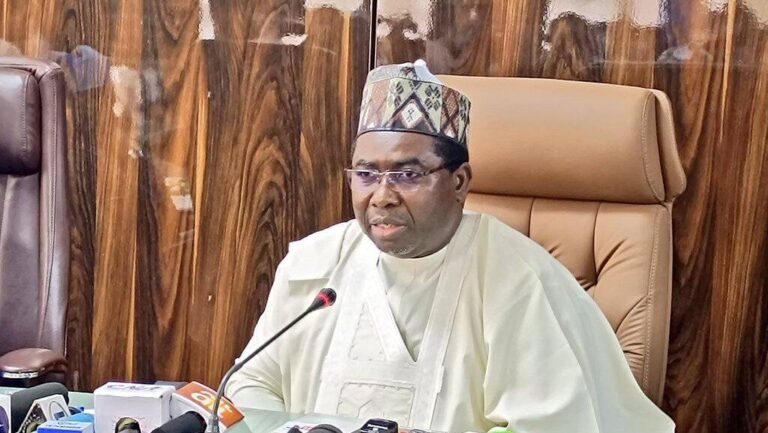
In response, INEC asserted the dates are legally prescribed. Mohammed Haruna, National Commissioner and Chairman of the Information and Voter Education Committee, cited the 1999 Constitution (as amended), the 2022 Electoral Act, and INEC’s 2022 Regulations and Guidelines. He quoted a specific regulation mandating presidential and National Assembly elections on “the third Saturday of February” in an election year, with state polls two weeks later. “Based on this, and following these existing laws and rules carefully, the Commission set Saturday, February 20, 2027,” Haruna said.
However, INEC acknowledged stakeholder concerns about scheduling conflicts with religious and national events. The commission stated it is aware of all valid issues that could impact voter turnout and election administration. Haruna indicated INEC is engaging with relevant groups and may explore legal amendments if necessary, while ensuring any changes remain constitutional. “The Commission is now talking to different groups and might, if needed, ask for legal changes to deal with the issues raised,” he added.
INEC reaffirmed its commitment to a transparent, credible 2027 election and pledged ongoing public updates. The electoral body’s stance highlights the tension between fixed legal timelines and the practical realities of Nigeria’s religious diversity, setting the stage for potential consultations ahead of the polls.
Comments are closed for this story.