
The Nigerian Association of Road Transport Owners (NARTO) has formally urged the Federal Competition and Consumer Protection Commission (FCCPC) and the Nigerian Midstream and Downstream Petroleum Regulatory Authority (NMDPRA) to address alleged monopolistic practices within Nigeria’s oil and gas sector. The association warns that such practices threaten the viability of petroleum transportation and could distort fuel pricing mechanisms.
NARTO President Yusuf Othman stated that the survival of the petroleum transportation industry hinges on the establishment of a fair and sustainable pricing structure. He emphasized the association’s resolve to oppose any marginalization of transporters by dominant operators in the midstream and downstream segments. Othman acknowledged the NMDPRA’s regulatory role but called for reinforced efforts to ensure pricing that supports profitable transport operations.
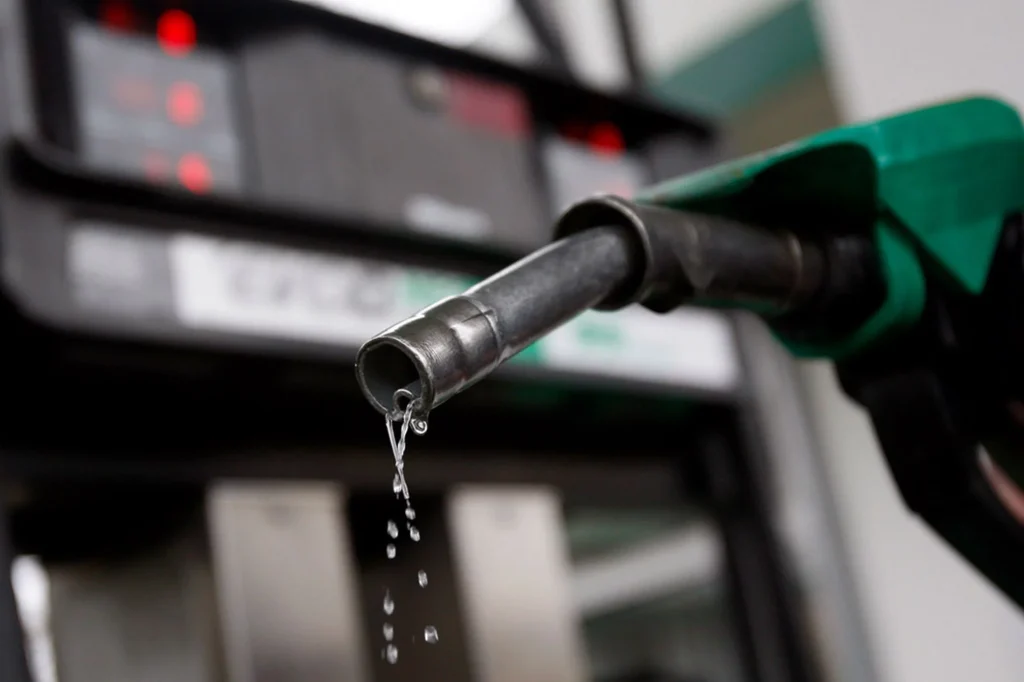
The appeal coincides with recent fluctuations in national fuel prices. Following an adjustment in January 2026 by the Dangote Refinery, retail prices in Abuja rose to between N875 and N899 per litre. Although the refinery later reduced its gantry price by N25 per litre, this decrease has not yet been reflected at the pump, highlighting ongoing market tensions.
Other stakeholders echoed related concerns during the same event. Corps Marshal Shehu Mohammed of the Federal Road Safety Corps (FRSC) urged transport operators to prioritize safety as a collective responsibility. Meanwhile, Works Minister Senator Dave Umahi, represented by FERMA Chairman Alhaji Musa Babayo, reaffirmed the federal government’s commitment to rehabilitating deteriorating road networks—a critical factor for transport efficiency.
NARTO’s request underscores persistent challenges in Nigeria’s downstream petroleum sector, where transporter profitability faces pressure from volatile pricing and supply chain dynamics. The association’s call for regulatory intervention aims to foster competitive practices that could stabilize transportation costs and, by extension, influence retail fuel pricing. Observers note that the FCCPC’s and NMDPRA’s responses may signal the government’s broader stance on market competition in the energy sector, with direct implications for both industry operators and consumers amid ongoing economic reforms.


Comments are closed for this story.