
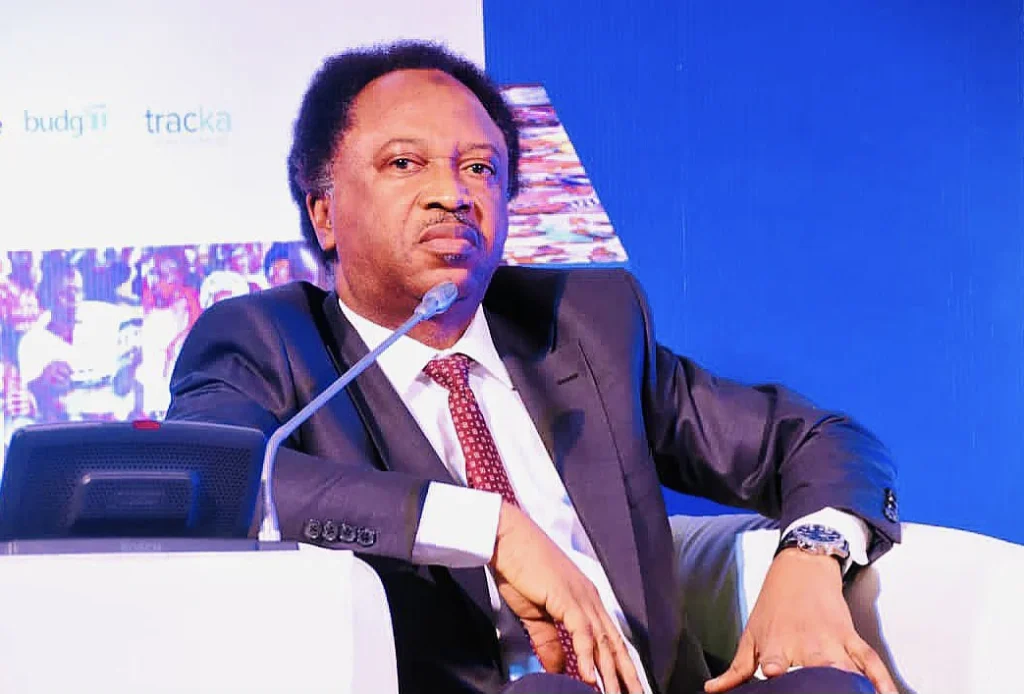
Former Kaduna State Senator Shehu Sani has publicly urged the state’s ex-governor to directly confront corruption allegations against him, rather than responding with accusations against National Security Adviser Nuhu Ribadu. Sani described the claims against Ribadu as “phantom” diversions intended to shift focus from the governor’s own legal challenges.
In a statement via his X account, Sani questioned the timing of the allegations, noting they emerged only after the former governor was summoned by authorities. “Why the delay in disclosing such sensitive information to the public until he was invited?” Sani wrote. He advised that the ex-leader’s “antics and deceptions should be ignored” and called for him to “clear his name” instead.
Sani, who represented Kaduna Central in the Senate, also referenced personal experience, stating that he and others were “traumatised” during the former governor’s administration, with families “framed and dragged to the police and the courts.” Despite this, he offered forgiveness but stressed the necessity of accountability. “For those of us whom he once traumatised… we forgive him, but urge him to learn to handle his karma with maturity,” Sani stated.
He warned that shielding past officials from consequences establishes a dangerous precedent. “If our society continues to pamper and protect past leaders who should be held accountable for their actions while in power, it sends a clear and unconditional message to those in power today that they will also be protected after leaving office,” he added.
Sani’s remarks highlight ongoing political tensions in Kaduna, a state with a history of contentious governance. The former governor, whose name remains central to multiple unresolved allegations, has not publicly responded to Sani’s criticism as of this report.
The development underscores broader national debates about post-office accountability for public officials in Nigeria. Observers note that how past leaders are treated often influences the conduct of current administrations. Sani’s intervention adds a significant voice to calls for transparency, suggesting that personal forgiveness should not preclude institutional justice.
This situation is likely to remain a focal point in Kaduna’s political discourse, particularly as legal processes involving the former governor proceed. The emphasis now lies on whether the accused will address the specific files against him or continue pursuing counter-accusations, which critics view as distractions from substantive governance issues and historical grievances.


Comments are closed for this story.