
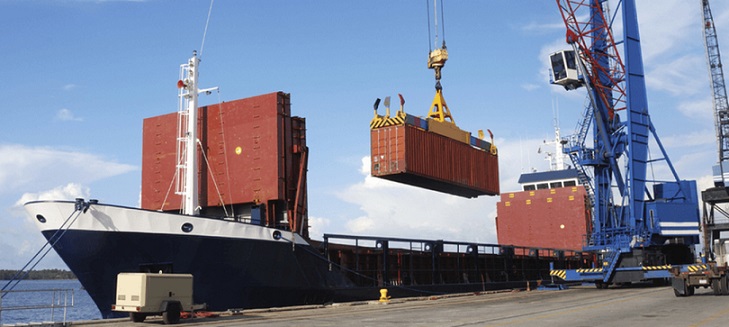
Thirty-Six Vessels Scheduled to Arrive at Lagos Ports with Mixed Cargo
Lagos, Nigeria – The Nigerian Ports Authority (NPA) has announced that thirty-six ships carrying a diverse range of goods are expected to berth at the Apapa, Tin-Can Island, and Lekki Deep Sea Ports between February 17 and February 22. The forecast, detailed in the NPA’s weekly ‘Shipping Position’ publication, underscores the ongoing volume of maritime trade through Nigeria’s primary commercial gateway.
According to the report, twenty of the incoming vessels are container ships laden with assorted general goods. The remaining sixteen are tankers and bulk carriers transporting hydrocarbons and dry bulk commodities, including crude oil, raw crude, urea, bulk wheat, diesel, blended stock, aviation fuel, general cargo, and bulk gas.
This scheduled arrival follows existing port activity, where seven ships and tankers are currently awaiting berthing space. These waiting vessels carry bulk gas, bulk wheat, empty containers, and general cargo. Additionally, port operations are active with twenty-one ships already discharging various products. These include general cargo, bulk pallets, gasoline, naphtha, condensate, bulk fertilizer, bulk wheat, bulk gypsum, and trucks.
The Apapa and Tin-Can Island ports, situated within Lagos Harbour, handle the majority of Nigeria’s containerized and general cargo traffic. The newer Lekki Deep Sea Port, commissioned in early 2023, is designed to accommodate larger vessels and alleviate congestion, significantly boosting the nation’s maritime cargo handling capacity. The consistent flow of vessels, particularly those carrying essential commodities like wheat, fertilizer, and petroleum products, is critical for national supply chains covering food, agriculture, energy, and manufacturing.
The NPA’s weekly shipping bulletin provides transparency on vessel movements, aiding stakeholders in logistics planning. The arrival of multiple bulk carriers with raw materials and refined fuels suggests continued efforts to stabilise domestic supply. Meanwhile, the presence of numerous container vessels points to sustained demand for imported manufactured goods.
The successful berthing and discharge of these forty-three active and incoming vessels will directly impact the speed at which goods enter Nigeria’s market. Port efficiency remains a key factor for controlling inflation and supporting economic activity, making the operational status of these three major ports a significant indicator of trade fluidity in West Africa’s largest economy.




Comments are closed for this story.