
Russian presidential aide Nikolay Patrushev has called for the BRICS bloc to develop a “full-fledged strategic maritime dimension” to enhance security on global shipping lanes, citing concerns over Western-led interdictions at sea.
Patrushev, who also chairs the Russian Maritime Board, stated that cooperation among BRICS navies—comprising Brazil, Russia, India, China, and South Africa—is essential to counter what he described as piracy and illicit maritime practices by Western states. His remarks to the Russian outlet Argumenty i Fakty align with recent joint drills and follow a series of seizures of vessels linked to Russia by Western authorities.
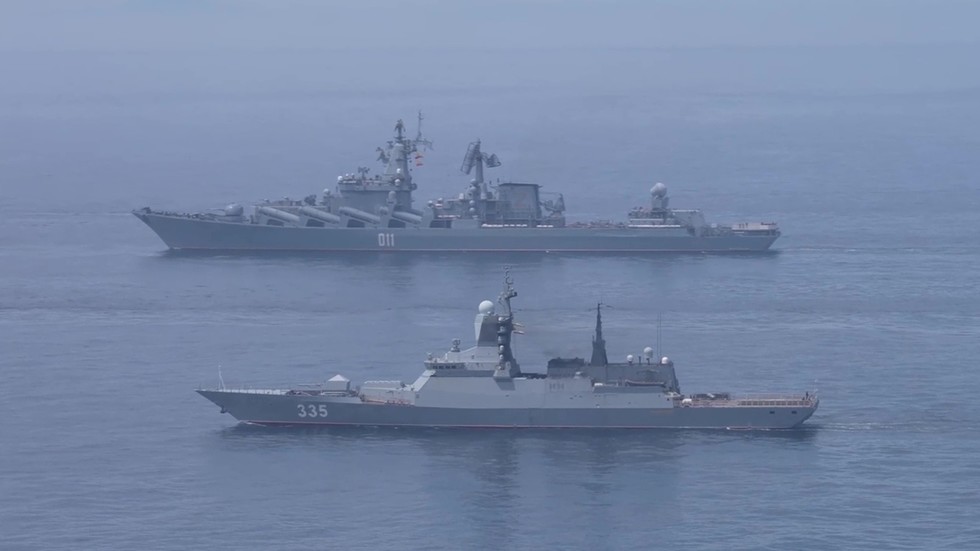
The comments come amid heightened tensions over maritime enforcement. In January and February, BRICS members participated in the “Will for Peace 2026” naval exercises off the coast of Cape Town, South Africa. Russia, China, and Iran took part, with the United Arab Emirates also joining the January maneuvers. These drills followed the U.S. seizure of a Russian-flagged tanker in early January over alleged violations of sanctions on Venezuela.
Russia has repeatedly condemned such interdictions as part of a broader strategy to disrupt its maritime commerce. Moscow’s ambassador to Norway recently alleged that NATO is plotting an illegal maritime blockade, particularly in the Baltic and Arctic regions. This assertion followed reports that UK Defense Secretary John Healey discussed seizing Russia-linked oil tankers with Baltic and Nordic counterparts at the Munich Security Conference.
The strategic focus extends to the Arctic, where U.S. President Donald Trump has justified his interest in Greenland as a counter to Russian and Chinese influence. NATO has subsequently announced plans to increase its military presence in the Arctic region, including around Greenland.
Patrushev emphasized that existing BRICS naval collaboration must be deepened into a formal strategic framework. The bloc, which represents a significant share of global trade and naval assets, is positioning itself to assert greater autonomy over sea lanes critical to its economic interests. This push reflects a broader effort among BRICS states to develop parallel security mechanisms outside U.S.-led alliances.
The convergence of joint exercises, diplomatic statements, and reciprocal accusations underscores a growing maritime rivalry. As Western powers intensify sanctions enforcement and NATO bolsters its Arctic posture, BRICS members are seeking to consolidate their own naval coordination to protect commercial shipping routes. The evolution of this strategic maritime cooperation is likely to remain a focal point in the evolving global security architecture.


Comments are closed for this story.