
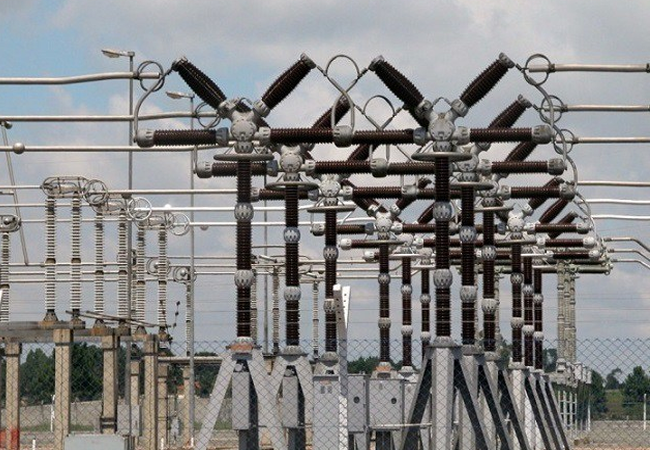
Power generation companies in Nigeria have revealed that unpaid invoices for electricity supplied to the national grid have reached approximately N6 trillion, a figure they say severely threatens the sector’s financial viability and ability to maintain supply.
The Association of Power Generation Companies (APGC), representing over 20 firms, stated the debt burden stems from widespread revenue shortfalls and weak remittances across the electricity value chain. This chronic liquidity crisis has left generation companies (GenCos) with the highest exposure, owed about 60% of total market receivables, crippling their capacity to fund operations, fuel procurement, and maintenance.
The disclosure follows strong rebuttals from the APGC against allegations by the Nigeria Labour Congress (NLC), which accused electricity firms of “institutionalised extortion” and exploiting consumers through tariff adjustments. APGC Chief Executive Joy Ogaji described the NLC’s narrative as “simplistic and inflammatory,” arguing it misrepresents the deep-rooted structural financial problems.
“The truth is that the power sector, over a decade after privatisation, remains hamstrung by severe liquidity challenges,” the APGC statement asserted. It offered to undergo a forensic audit to verify its financial records, urging a fact-based discussion on the real causes of the crisis.
The association also dismissed claims that potential government financial support is a politically motivated “settlement” ahead of elections, calling such insinuations “baseless” and damaging to necessary intervention efforts. It warned that persistent misrepresentation of the sector’s finances would deter much-needed investment.
This public clash underscores the persistent instability plaguing Nigeria’s power sector since its 2013 privatisation. Experts note that unresolved revenue collection gaps, tariff deficits, and market inefficiencies have created a cycle of debt across generation, transmission, and distribution companies. Despite previous government interventions, funding shortages continue to limit infrastructure upgrades and generation capacity.
The GenCos maintained their commitment to electricity production but stressed that urgent, coordinated policy reforms are essential to restore investor confidence and stabilise the market. Without resolving the fundamental liquidity trap, they cautioned, power supply reliability and broader economic productivity face further decline.
The standoff with labour, which has threatened industrial action, adds another layer of tension as the sector grapples with both financial and operational fragility.


Comments are closed for this story.