
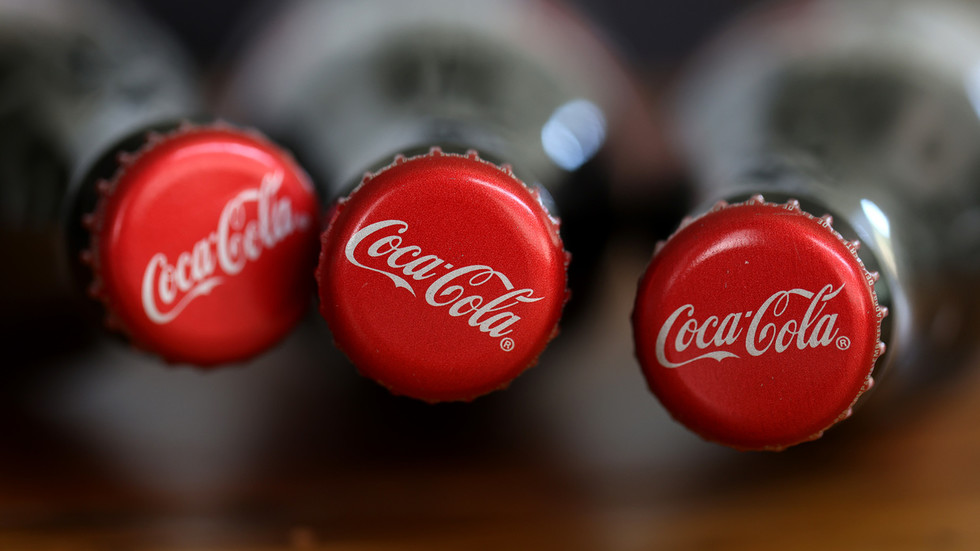
The US Equal Employment Opportunity Commission (EEOC) has filed its first lawsuit alleging that a workplace diversity event was unlawful, charging a Coca-Cola distributor with sex discrimination for hosting a women-only networking function.
The lawsuit, filed on Tuesday, targets Coca-Cola Beverages Northeast, a distributor owned by Japan’s Kirin Holdings. The EEOC alleges the company violated federal law by hosting a two-day, women-only event for approximately 250 employees at a Connecticut casino in September 2024. According to the complaint, the company privately invited only female employees, excused them from work, and paid their regular salaries without requiring the use of vacation time. Male employees received no invitation.
This case represents the EEOC’s first legal action against a corporate diversity, equity, and inclusion (DEI) program since President Donald Trump took office. Shortly after his inauguration in early 2025, Trump signed executive orders characterizing DEI initiatives as “radical” and directed federal agencies to eliminate such programs within the government and among its contractors. The EEOC’s lawsuit signals a significant shift in enforcement, challenging exclusive events based on protected characteristics.
The legal action against Coca-Cola Beverages Northeast follows a broader trend of corporate retreat from DEI programs. Major companies, including Walt Disney, JPMorgan Chase, Amazon, and Google, have faced public criticism and legal scrutiny, leading many to scale back or abandon formal diversity initiatives. Earlier this month, the EEOC opened an investigation into Nike over allegations of discrimination against white employees, further indicating a heightened focus on reverse-discrimination claims.
The Coca-Cola Company itself is not named in the lawsuit; the case is specifically against the Northeast distributor, which operates as a separate entity. The distributor has not provided a comment on the allegations.
The outcome of this lawsuit could set a precedent for the legality of gender-specific employee events under Title VII of the Civil Rights Act. The EEOC’s action underscores a new regulatory environment where DEI-focused programming is subject to rigorous legal challenge. The case will proceed in federal court, where the distributor must respond to the claims. The litigation highlights the increasing legal risks for employers implementing exclusive diversity events, even when participation is voluntary and employees are compensated.

Comments are closed for this story.