
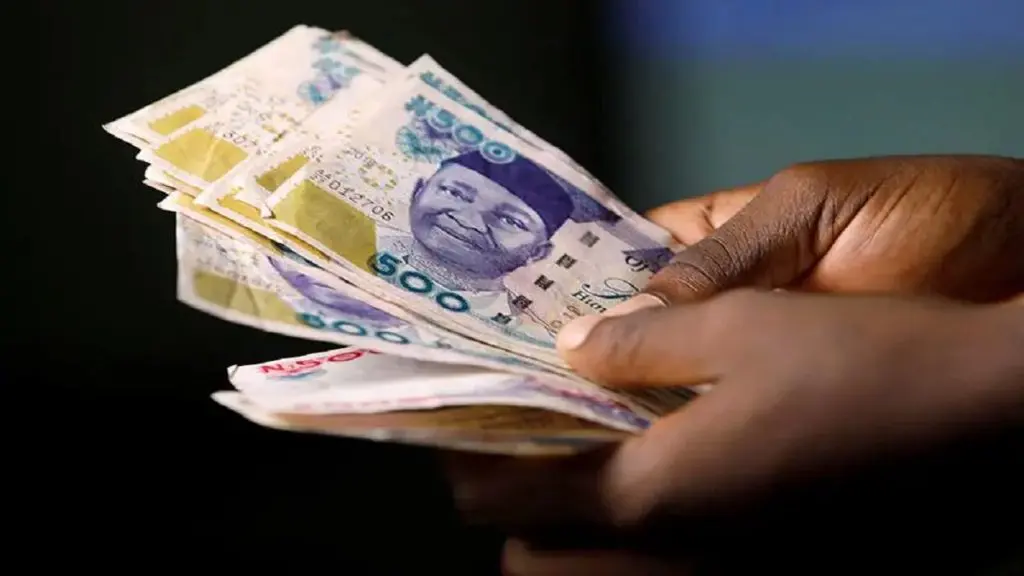
The Nigerian naira strengthened sharply against the US dollar in the parallel market on Thursday, marking its most significant single-day gain in months, while concurrently weakening in the official exchange window.
Data from Bureau De Change (BDC) operators indicated the local currency appreciated by N33, closing at N1,317 per dollar on Thursday, up from N1,350 on Wednesday. This rally represents the highest parallel market rate in several months. Abubakar Hassan, a BDC operator in Lagos, attributed the appreciation to a noticeable reduction in consumer demand for foreign exchange and recent interventions by the Central Bank of Nigeria (CBN) aimed at boosting dollar supply. “The naira strengthened to its highest level in the black market in months. I believe this is due to low patronage and recent CBN intervention,” Hassan stated.
The trend diverged at the official foreign exchange market, where the naira depreciated for the second consecutive session. It closed at N1,341.35 per dollar on Thursday, a N3.25 loss from the previous day’s rate of N1,338.12. Over the two-day period, the official rate has fallen by N5.38, highlighting a growing spread between the two markets.
Nigeria’s gross external reserves, a key indicator of the country’s ability to defend the currency, stood at $48.50 billion as of February 17, 2024, according to the Central Bank of Nigeria. The reserves position provides context for the CBN’s capacity to conduct dollar interventions.
This mixed performance follows a period of volatile trading across both windows. The parallel market’s sharp appreciation suggests that recent CBN measures, including direct dollar sales to BDCs, may be having an intended effect on easing pressure in that segment. However, the concurrent depreciation in the official window points to persistent structural demand that continues to strain the formal system.
The widening gap between the official and parallel market rates underscores the challenges within Nigeria’s multiple exchange rate regime. Market analysts note that sustainable currency stability will depend on the consistency of CBN interventions and broader efforts to increase foreign exchange earnings through non-oil exports and investment attraction. The divergent movements signal a forex market still operating under significant stress, with the CBN balancing liquidity management against the need for exchange rate convergence.



Comments are closed for this story.