
Plateau State’s N7.84bn Pilgrimage Sponsorship Sparks Debate Over Development Priorities
The Plateau State Government’s decision to allocate approximately N7.84 billion to sponsor 1,100 Christian pilgrims for the 2026 Jerusalem pilgrimage has drawn sharp criticism from civil society, highlighting a tension between religious support and urgent developmental needs.
The state government announced the sponsorship on Saturday, framing it as part of its corporate social responsibility. Governor Caleb Mutfwang, represented by Deputy Governor Ngo Josephine Piyo at a farewell event in Jos, described the pilgrimage as more than ceremonial, calling it a “life-transforming experience” that reconnects believers with the foundations of the Christian faith. He urged the pilgrims, termed state ambassadors, to undertake the journey with reverence and a desire for spiritual growth.
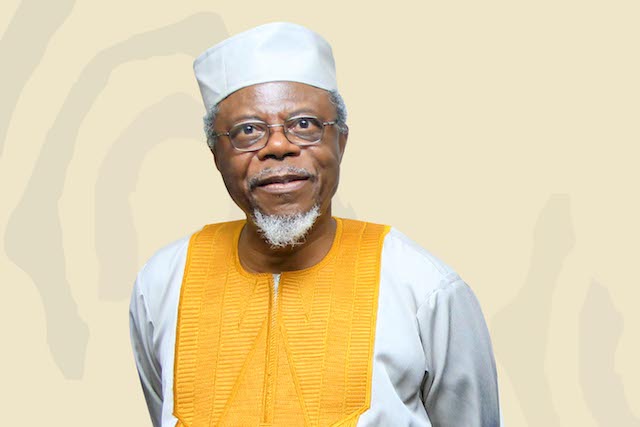
However, Jacob Choji Pwakim, founder of youth advocacy group Yiavha Nigeria, condemned the expenditure as a severe misallocation of scarce public resources. In a statement, he noted the sponsorship equates to an average of N6.8 million per pilgrim—a figure he termed “financial recklessness” amid glaring socio-economic challenges.
Pwakim contrasted the pilgrimage cost with Plateau’s pressing needs: deteriorating public schools, under-equipped primary health centres, unpaid teachers, widespread youth unemployment exceeding 70%, and communities grappling with insecurity and displacement. He illustrated the potential impact of redirecting funds, suggesting that N50 million—a fraction of the per-pilgrim cost—could upgrade a school. Applied broadly, such sums could renovate hundreds of schools and health facilities annually.
“If ₦7–8 million were invested in 1,000 serious small business owners… Plateau would have funded 8,000 small scales with return on investment and multiplier effect on state growth,” Pwakim stated, emphasizing that faith-based travel should be a personal responsibility.
He further urged the state to pursue practical diplomacy with Israel through agricultural partnerships, technology transfer, and enterprise development—referencing the revival of the Agricultural Support and Training Centre (ASTC)—rather than ceremonial travels.
The controversy underscores a broader debate in Plateau State, where billions are directed toward a religious journey while critics argue basic infrastructure, economic empowerment, and security urgently demandinvestment. The government has yet to respond to the specific critique regarding alternative uses of the funds.


Comments are closed for this story.