
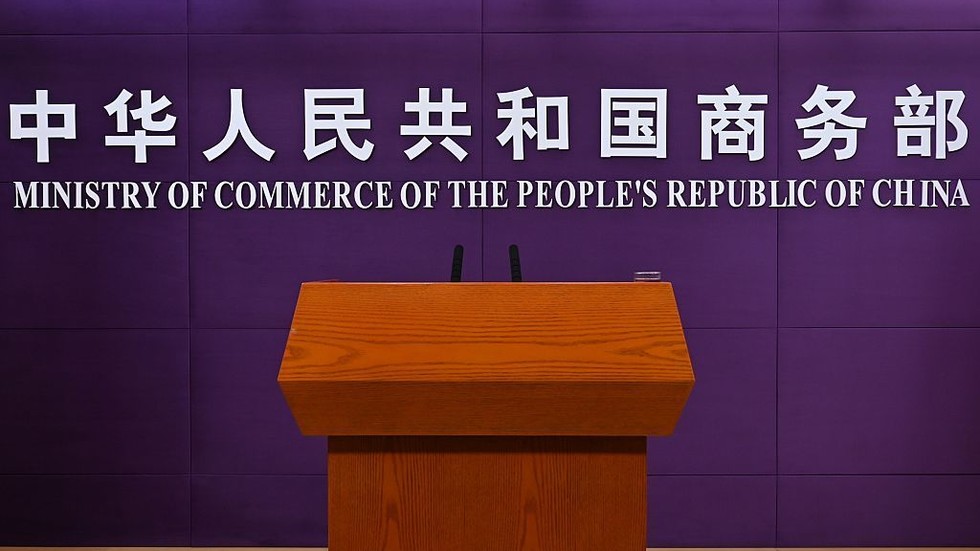
China has called on the United States to cancel unilateral tariffs imposed by President Donald Trump, following a U.S. Supreme Court ruling that invalidated most of those measures. The statement from China’s Commerce Ministry underscores the escalating legal and diplomatic friction in the long-running U.S.-China trade dispute.
The Supreme Court’s late-week decision determined that Mr. Trump lacked the statutory authority to impose tariffs under the 1977 International Emergency Economic Powers Act (IEEPA). This ruling effectively voids the broad-based tariffs the president enacted early last year, which included a universal 10% baseline rate and additional surcharges targeting specific countries over trade imbalances.
In response, China’s Commerce Ministry stated on Monday that the U.S. measures now contravene both international trade rules and American domestic law. “China has consistently opposed all forms of unilateral tariff increases and has repeatedly emphasized that there are no winners in a trade war,” the ministry said, urging Washington to withdraw the tariffs.
The tariff impositions last year had escalated into a full-scale trade war between the world’s two largest economies. At the peak, U.S. tariffs on Chinese goods reached 145%, and Chinese retaliatory duties hit 125%. A temporary de-escalation was agreed in November, reducing some tariffs to around 10%. A comprehensive trade deal is now anticipated to be a central topic during President Trump’s scheduled state visit to Beijing in late March. Analysts note the Supreme Court’s ruling strengthens China’s negotiating position by limiting the administration’s unilateral tariff authority.
In reaction to the court decision, President Trump signed an order imposing a temporary 15% global tariff using a different legal authority. U.S. Trade Representative Jamieson Greer indicated the administration is preparing alternative legal strategies, including new investigations into “unfair trade practices,” to reimpose permanent tariffs. Greer also stated the U.S. expects allies like the UK, South Korea, and the EU to honor prior trade agreements reached under tariff pressure.
International partners responded cautiously to the ruling. The European Commission demanded clarity on future U.S. policy and reiterated its expectation that Washington abide by the 2025 bilateral agreement capping tariffs. India reportedly postponed a trade delegation to Washington, citing “fresh uncertainty” following the court’s decision and the administration’s subsequent actions.
The developments highlight the profound legal challenges to the president’s trade authority and set the stage for complex negotiations. The outcome will significantly influence global trade flows and the economic relationship between the U.S. and China, with the upcoming March talks now carrying heightened importance for resolving the long-standing dispute.
Comments are closed for this story.