France has barred US Ambassador Charles Kushner from direct access to French government officials after he failed to attend a summons by the Foreign Ministry regarding controversial US statements on the death of a right-wing activist. The diplomatic sanction underscores heightened tensions between Paris and Washington over perceived interference in French domestic affairs.
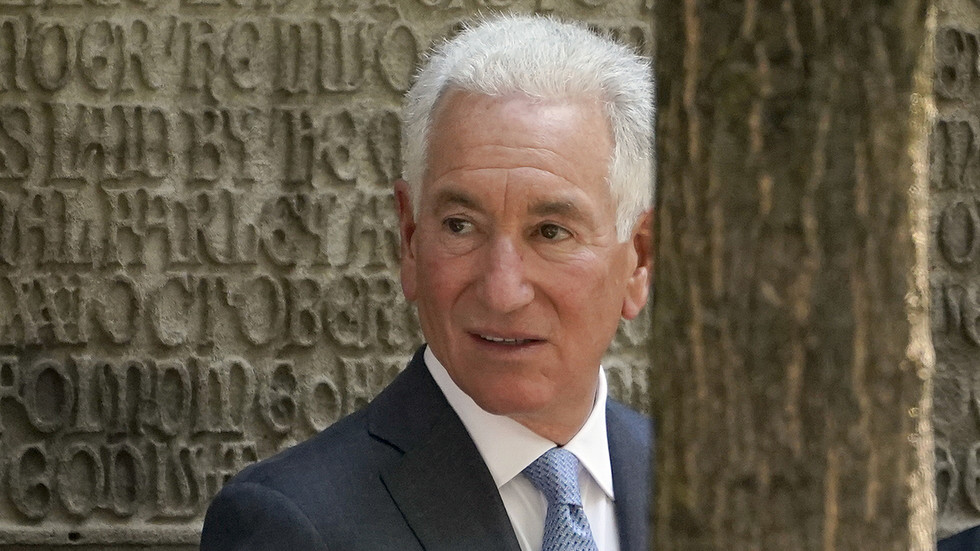
Kushner was summoned by Foreign Minister Jean-Noël Barrot to the Quai d’Orsay to explain remarks by the US State Department linking the February 14 death of Quentin Deranque, a 23-year-old student and member of the nationalist group Audace Lyon, to rising “violent radical leftism” in France. Deranque died from head injuries sustained in a brawl with alleged left-wing activists in Lyon. The ambassador did not appear, instead sending an embassy official and citing personal commitments. The ministry declared this a breach of protocol, stating Kushner had failed to grasp the “basic requirements of the ambassadorial mission.” Consequently, he is barred from direct contact with cabinet ministers and senior officials, with communications limited to lower-level technical channels until he presents himself at the ministry.
The US interventions, including a post on X by the State Department’s Bureau of Counterterrorism and comments by Undersecretary for Public Diplomacy Sarah Rogers, framed Deranque’s death as a terrorist incident tied to left-wing violence. Paris rejected this narrative as interference. Barrot asserted that France “has no lessons to learn, particularly on the issue of violence, from the international reactionary movement,” referring to US conservative circles.
The incident coincides with intensified political polarization in France ahead of March local elections and next year’s presidential vote, where polls indicate potential gains for the far-right National Rally, led by Marine Le Pen. Deranque’s death has become a rallying point in debates over security and political violence.
Kushner’s non-compliance is not isolated. Last August, he angered French authorities by sending President Emmanuel Macron a letter accusing France of inadequate action against anti-Semitism and then failing to attend a related summons, though no punitive measures were taken at that time.
As the US ambassador to France, Kushner—who is the son-in-law of former President Donald Trump—now operates under significant constraints. The ban, described as rendering him persona non grata without formal expulsion, represents a stern diplomatic rebuke. It highlights the sensitivity surrounding foreign commentary during election cycles and the importance of diplomatic protocol. The measure may be lifted if Kushner complies with the ministry summons, but the episode reveals underlying strains in the US-France relationship over divergent approaches to domestic political narratives and security.