
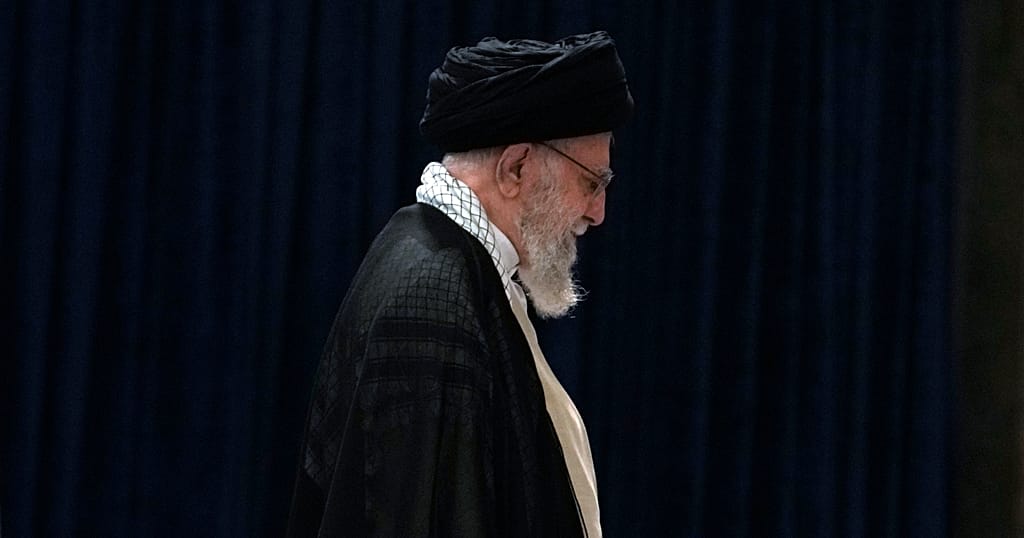
Members of Cape Town’s Shia Muslim community gathered in a solemn vigil on Sunday to mourn the reported death of Iran’s Supreme Leader, Ayatollah Ali Khamenei, following alleged joint U.S.-Israeli airstrikes on Tehran. The event, organized by the Ahlul Bait Foundation of South Africa, saw mourners place candles and Iranian flags before a portrait of the 86-year-old leader, with a book provided for written tributes.
According to statements from the gathering and reports citing Iranian state television, Khamenei was killed in surprise airstrikes on Saturday, a claim that has not been independently verified by international media. His reported death has sparked sharply divergent international responses, from grief and anger in parts of the Middle East to celebrations among segments of the Iranian diaspora and in Israel.
The Cape Town ceremony intertwined mourning with political condemnation. Syed Aftab Haider, national coordinator for the local Shia community, stated that the United States and Israel “killed a great leader whose crime was nothing but to resist for independence and sovereignty and rights of his own country.” His remarks reflect a perspective common among supporters of Iran’s theocratic government, which frames external pressure as existential aggression.
This narrative contrasts with reactions from Iranian exiles and human rights groups, who cite Khamenei’s decades-long rule overseeing a government frequently accused of brutal repression. The context includes months of anti-government protests within Iran, during which authorities arrested tens of thousands and killed hundreds, including in a crackdown on demonstrations in early January following the death of Mahsa Amini.
Globally, the reported killing has amplified long-standing geopolitical rifts. While Iranian state media called for national unity, Israeli officials and some Western politicians expressed cautious approval, viewing Khamenei as a destabilizing figure. In Iraq and Pakistan, state-affiliated voices condemned the reported strike as a violation of sovereignty.
Ayatollah Khamenei had served as Iran’s Supreme Leader since 1989, wielding ultimate authority over the military, judiciary, and media. His tenure was defined by the consolidation of a theocratic state, confrontation with the United States, and support for regional proxy forces. The method and attribution of his reported death, if confirmed, would represent an unprecedented escalation in the shadow conflict between Iran and its adversaries.
Further developments are anticipated, including potential retaliation from Iran-aligned groups and shifts in regional diplomacy. For South Africa’s Shia community, the vigil underscored how international conflicts resonate within diaspora populations, who often frame such events through lenses of anti-colonial struggle or religious solidarity. The reported death, whether ultimately verified or not, has already intensified debates over sovereignty, resistance, and the use of force in international relations.



Comments are closed for this story.