
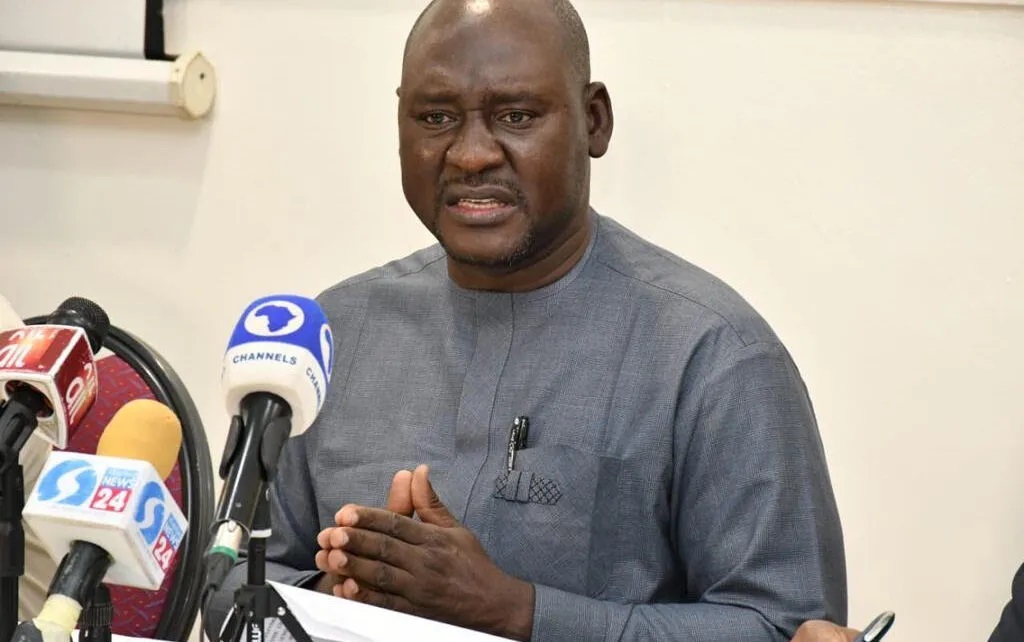
Nigeria’s democracy remains a continuous work in progress, according to prominent governance advocate Auwal Rafsanjani, who emphasises that the journey toward full democratisation depends on establishing responsible and responsive leadership.
Rafsanjani, Executive Director of the Civil Society Legislative Advocacy Centre (CISLAC) and Head of Transparency International Nigeria, shared this perspective during a News Agency of Nigeria (NAN) Personality Interview Series in Abuja. He framed democratic development as an ongoing process, where recognising and addressing systemic governance challenges is essential for advancement.
He acknowledged tangible progress, citing the consistent holding of elections—despite noted flaws—as a critical democratic pillar. Additionally, he pointed to the regular amendment of laws to correct identified deficiencies as a sign of institutional adaptability. Rafsanjani also highlighted the value of Nigeria’s multi-party system, which provides citizens with choices at local, state, and national levels. Sustaining this political pluralism, he argued, is vital for offering genuine electoral alternatives.
Addressing the recent wave of political defections to the ruling All Progressives Congress (APC) and concerns about a drift toward a one-party state, Rafsanjani dismissed this as an insufficient indicator. He noted that defections are legally permissible and that opposition parties continue to exist. The real task, he stated, lies with party members to actively propagate their ideals and convince the electorate of their relevance across all tiers of government.
Ultimately, Rafsanjani stressed that strengthening Nigeria’s democratic systems requires concerted effort to improve governance structures and ensure leaders are accountable to the public. While the path is incremental, the commitment to regular elections, legal reforms, and a vibrant multi-party landscape forms a foundational basis for the nation’s ongoing democratisation.



Comments are closed for this story.