
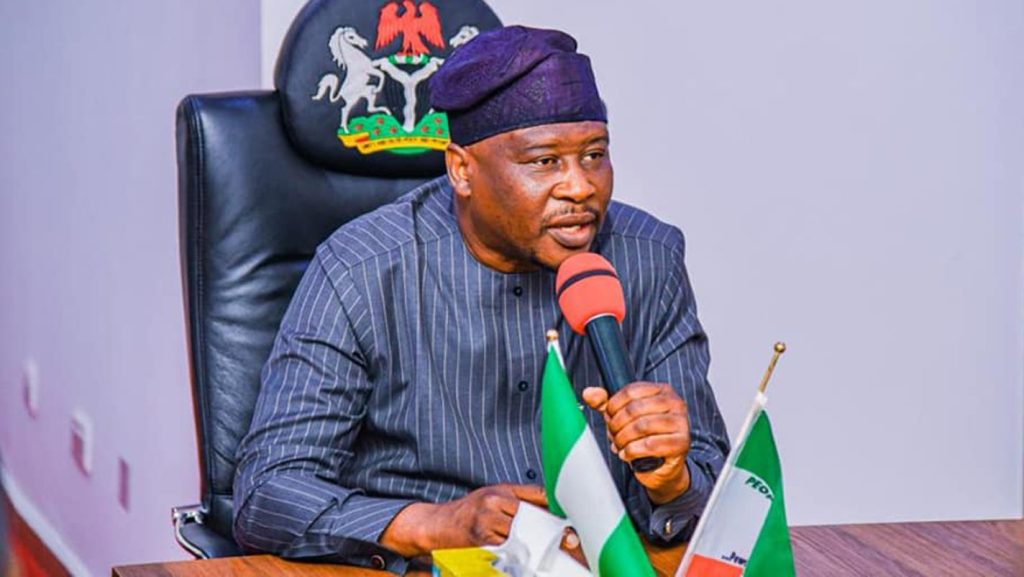
Adamawa Governor Attributes Split from Atiku to Party Differences, Maintains Personal Rapport
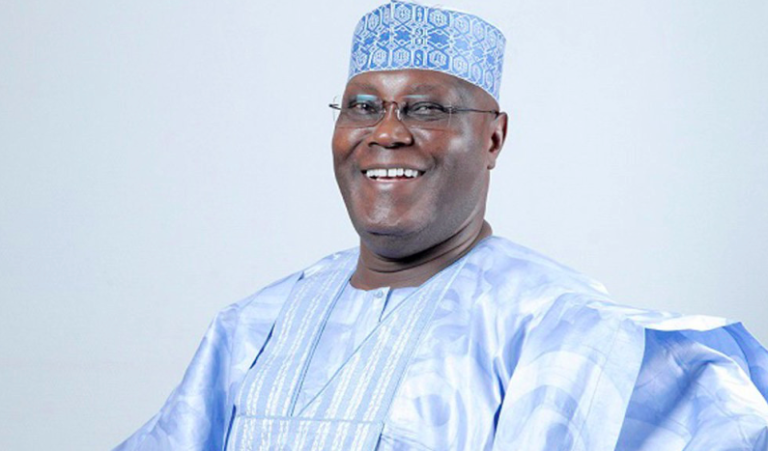
Yola, Nigeria – Adamawa State Governor Ahmadu Fintiri has confirmed a political divergence from former Vice President Atiku Abubakar, stating the separation is strictly a result of their current membership in different political parties. Speaking on Channels Television, Governor Fintiri clarified that their personal relationship remains unaffected despite the professional parting.
The Governor, who was re-elected in 2023 under the banner of the ruling All Progressives Congress (APC), directly addressed the nature of his split with Atiku, a prominent figure in the opposition Peoples Democratic Party (PDP). “There is no strained communication with the former VP as a result of political differences,” Fintiri stated. “I still have; there is nothing that has gone bad. It is just that everybody has taken their political ways. I am today in APC, they are in another party.”
Fintiri emphasized that political party alignment is the singular cause of their separate paths. He underscored that for those sincere about national development, such differences should not preclude collaboration. “Those who are genuinely committed to Nigeria’s progress must recognize one another as partners in nation-building,” he noted.
A key point in the discussion was Governor Fintiri’s expressed political stance supporting a southern presidential candidate. This position aligns with Nigeria’s long-standing, though unwritten, convention of rotating the presidency between the northern and southern regions. His support for a southern candidate, a position often associated with the PDP where Atiku is a leading figure, contrasts with his own APC affiliation, highlighting the complex interplay of national interest and party loyalty in Nigerian politics.
The Governor’s comments serve to separate interpersonal dynamics from partisan strategy. While acknowledging their divergent political platforms, he presented their relationship as a model of civility in a often polarized environment. The situation illustrates how personal rapport between veteran politicians can persist independently of their current electoral alignments and campaign strategies.
This clarification from a sitting governor provides insight into the fluid nature of political alliances ahead of future elections. It underscores that shifts in party affiliation, rather than personal animosity, frequently drive political realignments in Nigeria’s multi-party system. The discourse also reinforces the ongoing salience of regional power-sharing calculations in the nation’s political calculus.

Comments are closed for this story.