
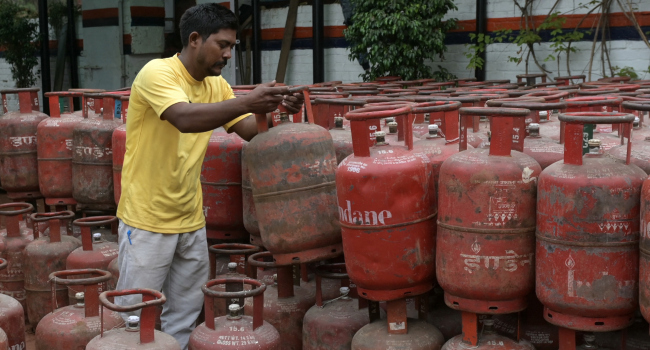
India has imposed stricter controls on natural and cooking gas supplies, prioritising critical sectors after import disruptions linked to the conflict in the Middle East. The measures, announced by the Ministry of Petroleum on Tuesday, follow warnings from restaurants that the curbs could force widespread closures.
The order cites the disruption of liquefied natural gas (LNG) shipments through the Strait of Hormuz as the direct cause. As the world’s fourth-largest LNG buyer and second-largest importer of liquefied petroleum gas (LPG)—the fuel commonly used for cooking—India’s heavy reliance on Middle Eastern sources has left its supply chain vulnerable. The ministry stated the new rules are designed to “ensure equitable distribution and continued availability for priority sectors.”
Under the directives, LNG supplies will be prioritised for households, the transport sector, and the production of LPG. Other industrial users, including fertiliser plants and tea manufacturers, will receive only 70 to 80 percent of their usual consumption, “subject to operational availability.” To compensate, gas supplies to petrochemical facilities and power plants face full or partial curtailment.
The impact is already being felt. Several ceramics and tile firms reported cutbacks in gas supplies that threaten production. Separately, a Monday order prioritising domestic LPG for households has triggered alarm in the hospitality sector. The National Restaurant Association of India asserted that suppliers nationwide are signalling a halt to commercial LPG deliveries. “The restaurant industry is predominantly dependent on commercial LPG for its operations. Any disruption therein will lead to a catastrophic closure of the majority of restaurants,” the association warned.
PC Rao, head of a hotel industry association in Bengaluru, described the situation as “dire.” He told AFP that smaller establishments have only one to two days of gas stock remaining, while larger hotels may have about ten days’ worth. “Now, people will look to change or restrict their menus, bearing in mind the situation,” Rao said.
The government’s intervention underscores the immediate economic risk posed by geopolitical instability in key energy transit routes. By mandating supply rationing, authorities aim to shield households and essential services, but the move places significant strain on industries from manufacturing to food services. The effectiveness of these controls will depend on the duration of the shipping disruptions and the ability to secure alternative supplies, a challenge for a nation heavily dependent on imported gas.



Comments are closed for this story.