

A second liquefied natural gas (LNG) cargo from Nigeria has been diverted to Asia within days, highlighting the intense scramble for alternative supplies following a conflict that has choked off key exports from Qatar.
The shift follows the disruption of traffic through the Strait of Hormuz after U.S.-Israeli attacks on Iran began on February 28. Qatar, the world’s second-largest LNG exporter after the U.S., has seen its output halted, triggering a global competition for available cargoes.
Shiptracking data from Kpler indicates the tanker Pan Americas, loaded at Nigeria’s Bonny LNG terminal, altered its course from an initial European destination (Croatia) and is now heading to Asia via the Cape of Good Hope. This follows a similar diversion of the BW Brussels earlier in the week, which also changed route from Europe to Asia after loading in Nigeria.
The sudden loss of Qatari supply has driven sharp price increases. In Europe, the Title Transfer Facility (TTF) benchmark surged, while the Japan-Korea Marker for spot LNG in Asia jumped over 68% to a three-year high. The price disparity now makes Asian destinations more lucrative for flexible cargoes, explaining the rerouting from Atlantic basins.
Qatar supplies over 80% of its LNG to Asian buyers, according to Kpler, and its disruption has tightened the global market. For Nigeria, the diversions underscore how price signals in the flexible LNG market determine cargo destinations. The country’s gas export revenue reached $2.7 billion in Q1 2025, a significant increase driven by higher production and elevated prices.
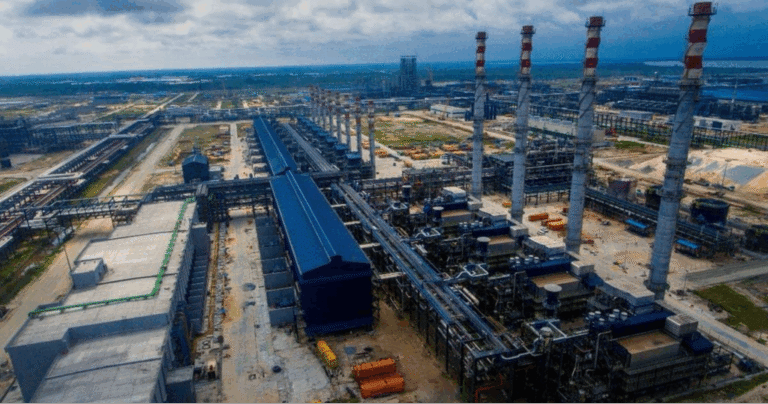
The Nigerian government aims to boost annual LNG exports to $10 billion, with rising U.S. demand and the upcoming Train 7 expansion project—currently 80% complete—expected to support this goal.
These developments demonstrate how geopolitical events can rapidly redirect global energy flows, with immediate financial benefits for alternative suppliers like Nigeria as buyers pivot to secure replacement volumes. The situation remains fluid, with market attention focused on the duration of the supply disruption from the Middle East.


Comments are closed for this story.