
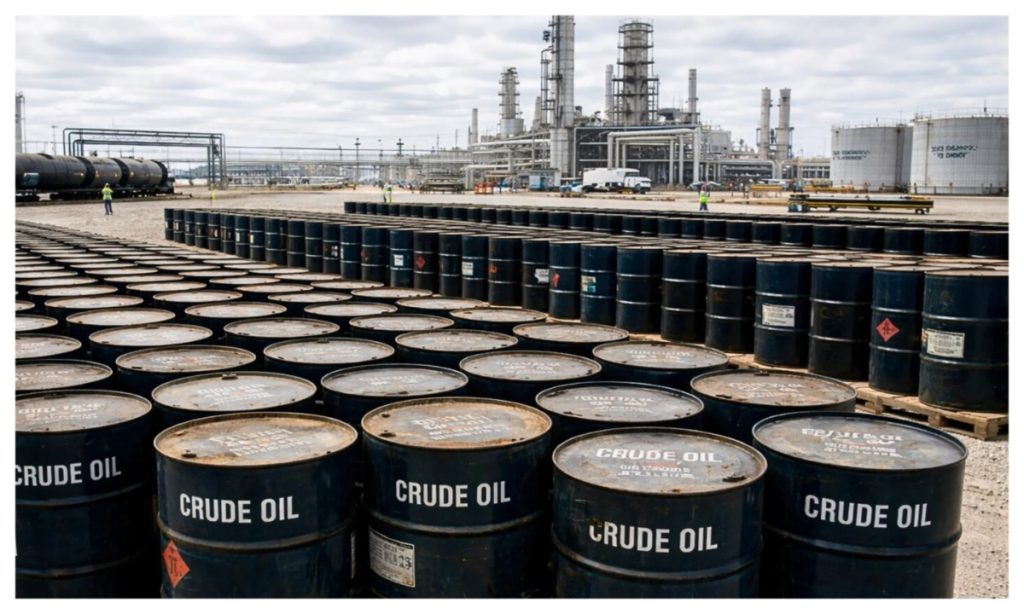
Escalating conflict in the Middle East has driven international crude oil prices back above the $100 per barrel threshold, renewing pressure on global energy markets and fuel-importing economies. Brent crude rose to $101.30 and West Texas Intermediate to $96.30 as of Friday morning, following a dip below $90 earlier in the week, as reported by the Media Talk Africa.
The price surge follows 12 days of hostilities between Iran and the US-Israeli alliance, which have disrupted critical Gulf infrastructure. The Strait of Hormuz, a vital chokepoint for approximately 20-30% of the world’s seaborne oil trade, has been blocked. Simultaneously, major refinery facilities in the region have been shut down, tightening supply chains.
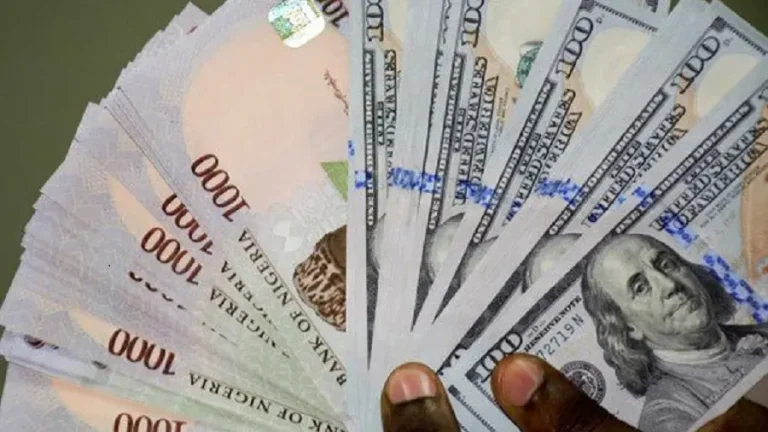
For Nigeria, an important oil producer but a net importer of refined petroleum, the impact is immediate. Premium Motor Spirit (petrol) prices have increased at least three times since the conflict began on February 28. The Dangote Refinery, Africa’s largest, initially raised its ex-refinery petrol price to N1,175 per litre from N799 prior to the war. Following a brief cooling in global crude markets earlier in the week, it reduced the price to N1,075. However, retail prices in areas like Abuja remain substantially higher, reaching as much as N1,330 per litre for petrol and N1,690 for diesel.
The renewed price climb underscores the direct link between Middle East geopolitical stability and global fuel costs. With no de-escalation in sight, markets face heightened uncertainty. For nations dependent on energy imports, the situation threatens to exacerbate inflation and strain consumer budgets, highlighting the persistent vulnerability of global economics to regional conflict.


Comments are closed for this story.