
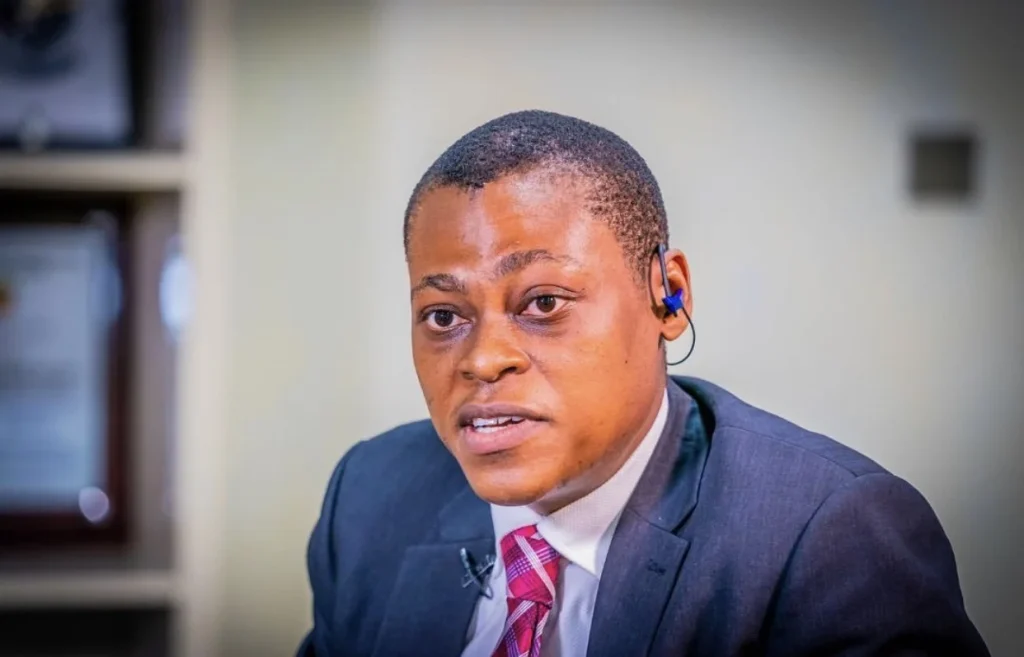
Anchorman Rufai Oseni of Arise Television has asserted that European Union member states are unlikely to back potential U.S. military action against Iran, citing bilateral agreements that secure their shipping access through the strategic Strait of Hormuz.
Speaking on his Monday programme, Oseni stated that nations including France and Denmark have reportedly established separate arrangements with Tehran. These deals, he said, facilitate the unimpeded passage of their commercial vessels through the strait, a critical chokepoint for global oil shipments. Consequently, these countries may perceive little strategic benefit in aligning with a U.S. confrontation that could jeopardise their existing, functional agreements with Iran.
This analysis emerges against a backdrop of documented friction between the Trump administration and traditional European allies. Oseni highlighted recent transatlantic tensions, referencing disputes over NATO defence spending and U.S. policy shifts regarding Ukraine. He suggested that the administration’s unilateral approach to international relations, exemplified by demands for political change in other sovereign states, further eroded trust and diminished the likelihood of European cooperation on Iran.
The Strait of Hormuz is a vital maritime corridor, with approximately a third of the world’s seaborne oil passing through it. Past confrontations, including the seizure of tankers in 2019, underscore its volatility. Oseni’s contention is that for EU states with tailored protocols with Iran, the immediate security of their own shipping lanes takes precedence over broader U.S. geopolitical objectives in the region.
His remarks also touched on the complex dynamics of regional proxies. Oseni noted that an Iran-aligned militia was responsible for a recent rocket attack on the U.S. embassy in Baghdad’s Green Zone, illustrating the interconnected threats that complicate the calculus for any potential U.S. retaliation.
The implications of a potential rift are significant. A lack of unified Western support could isolate U.S. policy on Iran, limit the effectiveness of any coercive measures, and reinforce a trend toward European strategic autonomy in security affairs. Observers will watch for official responses from Paris, Copenhagen, and Brussels to gauge the accuracy and influence of such assessments on ongoing diplomatic calculations regarding the Persian Gulf.



![Troops, terrorists exchange gunfire in Kogi [VIDEO]](https://mediatalkafrica.com/wp-content/uploads/2026/01/Terrorists-Exchange-Gunfire-With-Nigerian-Troops-In-Kogi-State-768x576.jpeg)
Comments are closed for this story.