
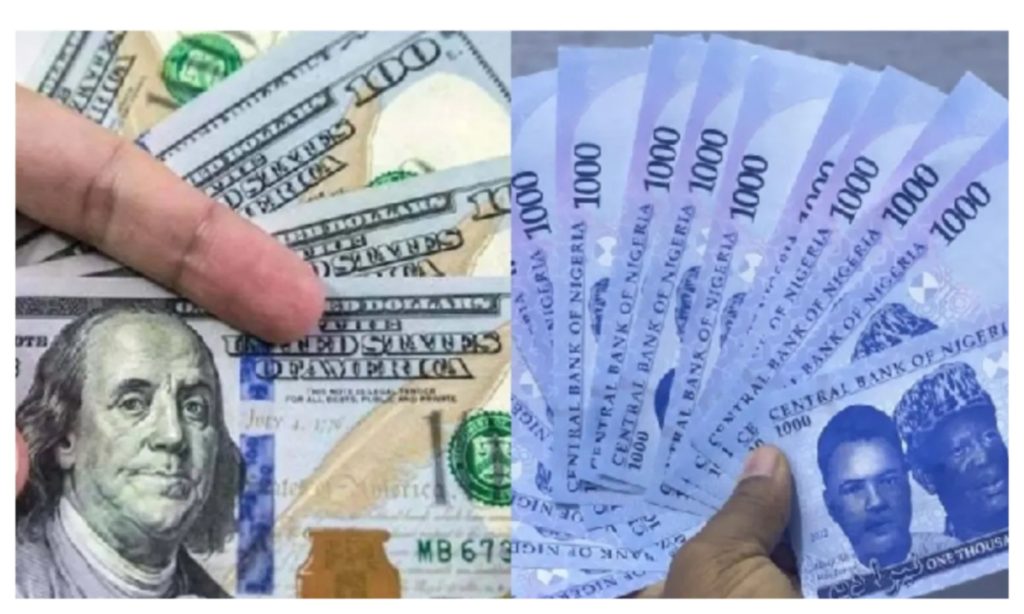
The Nigerian Naira recorded its first depreciation against the US dollar on the official foreign exchange market on Wednesday, ending an eight-day period of sustained appreciation. Data from the Central Bank of Nigeria (CBN) indicated that the local currency weakened to N1,353.90 per dollar, down from N1,344.4158 the previous day, representing a daily loss of N9.48.
This shift in the official market contrasts with activity in the unregulated black market, where the Naira appreciated by N10 to trade at N1,420 per dollar, down from N1,430. The divergence highlights the persistent gap between the CBN’s official rate and the parallel market, a characteristic feature of Nigeria’s multiple exchange rate system.
The depreciation follows a notable rally that began on March 9, during which the Naira had gained N51.72 against the dollar on the official window. That upswing coincided with a period of relative stability in the nation’s external reserves. According to the CBN, gross reserves stood at $49.83 billion as of March 17, 2026, a figure just below the psychologically significant $50 billion threshold. External reserves are a critical buffer for the CBN to defend the official exchange rate and meet foreign currency demand.
The brief reversal underscores the sensitivity of the Naira to fluctuations in foreign exchange supply and reserve levels. While the official market saw a correction after consecutive gains, the parallel market’s continued appreciation suggests ongoing pressures in the broader forex ecosystem. Market watchers will closely monitor how the CBN manages liquidity and whether the recent reserve levels can support sustained stability in the official rate moving forward.




Comments are closed for this story.