
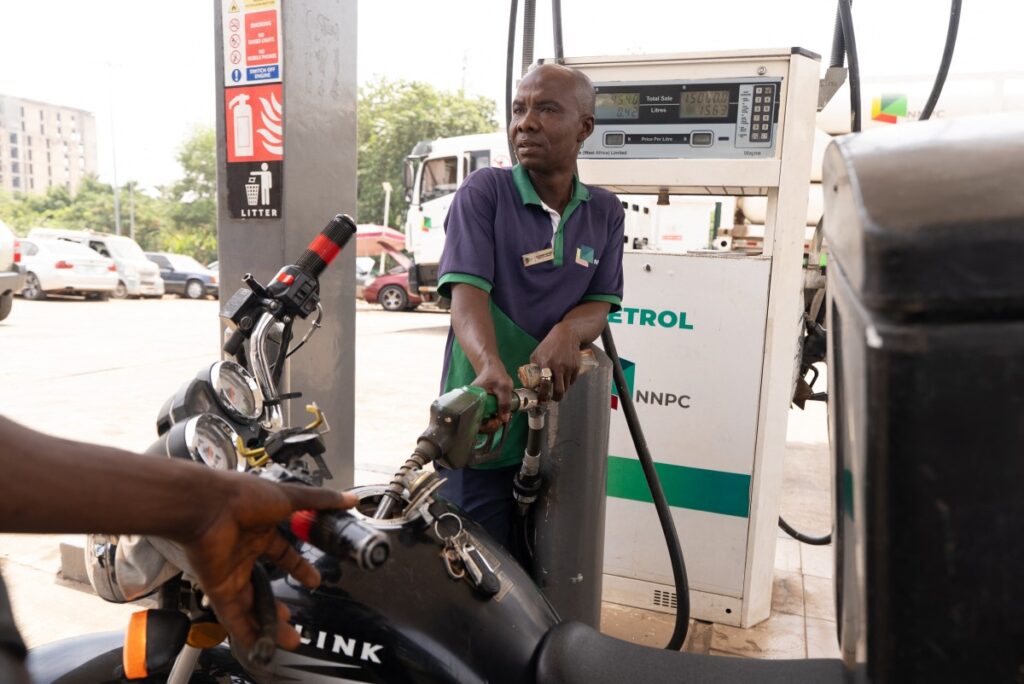
Global fuel shortages and soaring prices, triggered by Middle East conflict disrupting oil supplies, are creating widespread economic strain from Africa to Asia, as consumers and businesses grapple with increased costs and reduced access to essential energy.
Benchmark oil prices have surged 40-50% to around $100 per barrel since the war began, directly impacting petrol, diesel, and cooking gas costs worldwide. In Nigeria, entrepreneur Adeola Sanni has halted hiring plans as fuel expenses for her generator-powered workshop jumped 20%. Petrol prices in Lagos quintupled from 195 naira at the start of 2023 to a record 1,250 naira per litre before a slight easing, crippling transport fares and household budgets in Africa’s most populous nation.
Similar crises are unfolding in India, where cooking gas cylinder shortages have led to long queues and a surge in electric stove sales, particularly ahead of religious festivals. Small restaurants are altering menus as authorities Prioritize household LPG supplies, with black-market prices nearly doubling. In the Philippines, tricycle drivers like Romeo Cipriano report earnings slashed in half by fuel costs, prompting government cash handouts and fare increases. “No one wins in war,” Cipriano said, summing up the widespread frustration.
The impact extends to European fisheries. French fisherman David Le Quintrec describes diesel prices as “critical,” with costs rising from 60 to nearly 90 cents per litre in ten days, forcing shorter fishing trips. Fleet manager Jerome Nicol warns operations will halt entirely if diesel hits one euro per litre. Meanwhile, neighboring Turkmenistan faces economic pressure after Iran banned agricultural exports, doubling prices for Iranian fruits, juices, and cigarettes.
In Thailand, food delivery riders lose hours searching for scarce fuel, with one driver stating, “If there’s no fuel, it feels like I don’t have a job at all.” Similar scenes of queuing motorists were recorded in Sri Lanka, Somalia, and Japan.
These snapshots illustrate how a conflict in the Middle East rapidly transmits economic pain across continents, hitting transport, food production, and small enterprises hardest. The crisis underscores the vulnerability of global supply chains to geopolitical instability and the immediate human cost of energy volatility, with low-income households and fuel-dependent industries facing existential pressure.



Comments are closed for this story.