
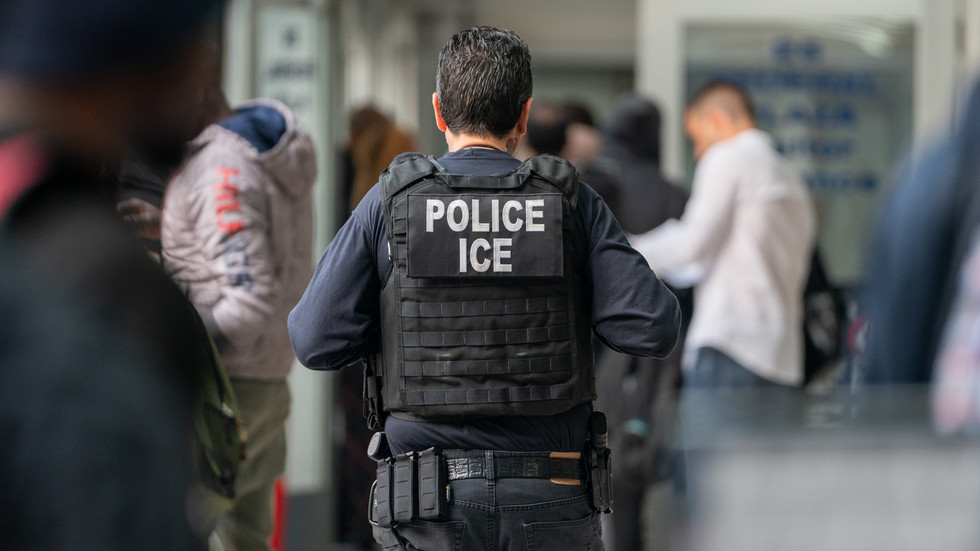
Trump threatens to deploy ICE agents to airports amid TSA funding stalemate
US President Donald Trump has threatened to reassign Immigration and Customs Enforcement (ICE) agents to perform Transportation Security Administration (TSA) duties at airports, citing a congressional failure to fund the Department of Homeland Security (DHS). The move underscores a deepening political standoff over government funding and immigration enforcement priorities.
A partial DHS funding shutdown began in February, leaving approximately 50,000 TSA screeners unpaid. The TSA, responsible for civilian airport security, has reported increased absenteeism and longer security lines. President Trump stated on his Truth Social platform that if Democrats do not agree to fund DHS without new restrictions, he will deploy “brilliant and patriotic ICE Agents” to airports, promising security “like no one has ever seen before” and the “immediate arrest of all Illegal Immigrants” encountered.
The president indicated this deployment could start on Monday. Meanwhile, Tesla and SpaceX CEO Elon Musk, a prominent Trump ally, offered on social media to pay the salaries of TSA personnel during the impasse.
The funding dispute centers on Democratic demands for new accountability measures for ICE, including a requirement for agents to wear identification and a ban on facemasks. These demands intensified after ICE agents fatally shot two US citizens in Minnesota in January during an immigration enforcement operation. Senate Republicans recently blocked a Democratic proposal to fund the TSA separately, a move Democrats argued would leave the rest of DHS unfunded.
According to NBC News, citing DHS estimates, more than 400 TSA agents have resigned since the partial shutdown began on February 14. Both TSA and ICE operate under the DHS umbrella, but ICE’s budget was separately secured through a major appropriations bill signed by Trump last year.
The administration’s threat raises significant operational and legal questions. TSA personnel are civilian security officers trained specifically for airport screening. ICE agents are law enforcement officers focused on immigration and customs enforcement. Deploying ICE to replace TSA would represent an unprecedented shift in domestic airport security protocol.
The standoff highlights the linkage in US politics between government funding bills and broader policy debates, particularly around immigration enforcement. With no immediate resolution in sight, the situation threatens prolonged disruption at US airports and intensified conflict between the executive branch and Congress over agency oversight and spending priorities.

Comments are closed for this story.