
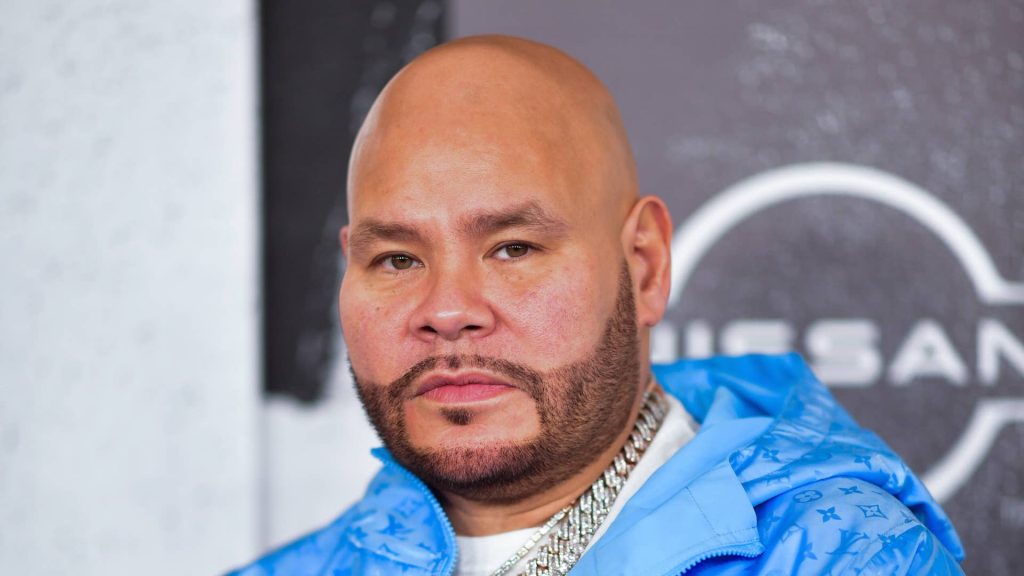
American rapper Fat Joe has claimed that he and others pressured Nigerian singer BNXN, formerly known as Buju, to change his stage name. During a podcast interview with Buju Banton, the Jamaican dancehall legend, Fat Joe explained that the Nigerian artist was “bullied” into the change because his former stage name, Buju, was seen as disrespectful to Banton.
“There is a fake guy in Africa using the Buju name, we dissed him on TV, shut him down, he changed his name. I told him there is only one Buju Banton,” Fat Joe said.
Buju Banton, whose real name is Mark Myrie, responded by explaining the personal significance of his stage name. He said it was given to him by his mother, unlike many artists who coin their own names or receive them from friends. Banton added that he chose to include “Banton” as a suffix in honour of a Jamaican DJ he greatly admired.
“Most people [artists] get their names from their friends or coin it. But my name came from my mom. Then I added Banton due to my admiration for Burr Banton,” he stated.
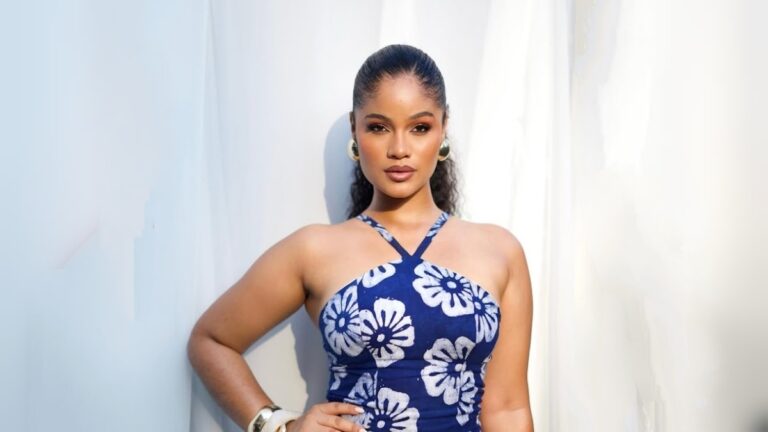
BNXN, born Daniel Benson, initially launched his music career under the name “Buju” but later changed it to his current moniker following alleged copyright concerns. The shift has sparked discussion within the music industry about the use of culturally significant names and the influence of established artists in shaping the branding of emerging performers.
The incident highlights ongoing tensions between artists over name ownership and cultural identity, particularly when names carry deep personal or regional significance. As the global music scene continues to grow more interconnected, such disputes may become increasingly common, raising questions about respect, originality, and the rights of artists to their chosen identities.


Comments are closed for this story.