
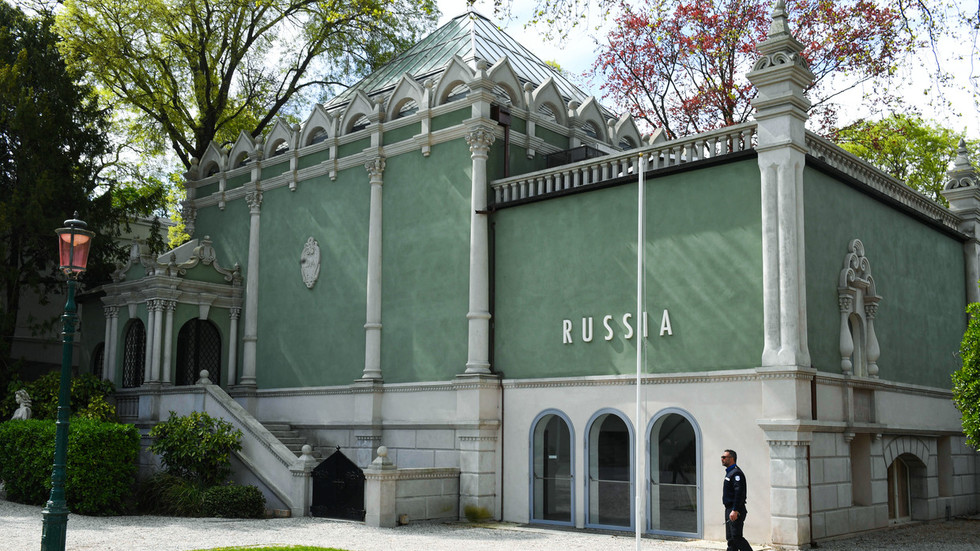
The European Union is considering withdrawing funding from the Venice Biennale after organisers decided to readmit Russian artists to the 2026 edition. The move follows mounting pressure from several EU member states and members of the European Parliament, who argue that Russia’s participation is inappropriate amid the ongoing conflict in Ukraine.
EU foreign policy chief Kaja Kallas said the bloc “intends to cut funding” if Russia takes part, describing the decision as “morally wrong.” Latvia’s culture minister, Agnese Lace, has threatened to boycott the Biennale’s opening ceremony on May 9 if Russian artists are included. In addition, 37 MEPs have urged the EU to suspend approximately €2 million in funding and consider sanctions against individuals involved in the Russian pavilion.
Organisers of the Biennale have defended their decision, stating that art should remain a space for dialogue and that the exhibition should not be politicised. The Russian pavilion, which has participated in the Biennale for over a century, is owned by Russia and operates independently within legal and sanctions frameworks.
Italian Deputy Prime Minister Matteo Salvini rejected the criticism, describing the EU’s funding threat as “ignorant pettiness.” He noted that the Biennale is an autonomous institution with a 130-year history, respected worldwide, and that no external authority should dictate its programming. Salvini added that he intends to attend the opening ceremony, dismissing Latvia’s stance with a rhetorical question about whether one country’s position should override international cultural norms.
The controversy highlights the broader debate over the role of culture in international diplomacy and the extent to which artistic events should reflect geopolitical tensions. Russian President Vladimir Putin has previously stated that attempts to “cancel Russian culture” in the West are doomed to fail, underscoring the symbolic importance of the Biennale for both sides.

Comments are closed for this story.