
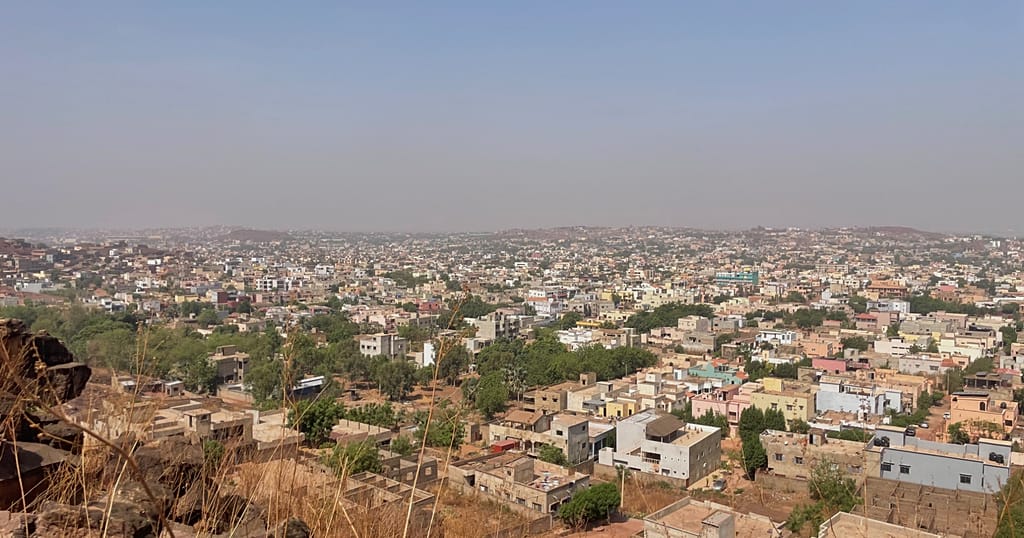
The United Nations expressed deep concern on Monday over a coordinated assault in Mali that involved jihadist militants and Tuareg separatist forces. The attack, described as the most extensive offensive in the country in over a decade, targeted northern and central regions where Malian army units and Russian private‑military contractors are deployed.
In a briefing at the UN Headquarters in New York, Secretary‑General spokesperson Stéphane Dujarric relayed the Secretary‑General’s condemnation of the violence and reiterated calls for a comprehensive international response. “The Secretary‑General strongly condemns these acts of violence, expresses solidarity with the Malian people and stresses the need to protect civilians and civilian infrastructure,” Dujarric said. He added that the UN is urging “coordinated international support to address the evolving threat of violent extremism and terrorism in the Sahel and to meet urgent humanitarian needs.”
The joint operation by the jihadist group and the Tuareg separatist movement reflects a shared objective: to expel both the national army and Russian mercenaries from the contested zones. The presence of the Russian Wagner Group, contracted by the ruling military junta that seized power in 2021, has intensified tensions with the United Nations and Western nations, which were previously involved in peacekeeping and security assistance.
Mali has been locked in a protracted conflict with various insurgent groups for more than ten years. The military coup that ousted the previous civilian government led to the suspension of United Nations peacekeeping missions and a pivot toward Moscow for security cooperation. This shift has drawn criticism from the international community, which warns that the involvement of foreign mercenaries may exacerbate human rights violations and destabilize the region further.
Humanitarian agencies have reported a sharp increase in civilian displacement and shortages of food, water, and medical supplies following the recent attacks. The UN’s appeal for coordinated aid aims to address these immediate needs while supporting longer‑term stabilization efforts.
The Secretary‑General’s call for “robust security coordination and collaboration across the region” underscores the broader challenge of countering extremist violence in the Sahel. As the situation evolves, the United Nations and its partners are expected to monitor developments closely and explore diplomatic and operational measures to protect civilians and restore stability in Mali.


Comments are closed for this story.