
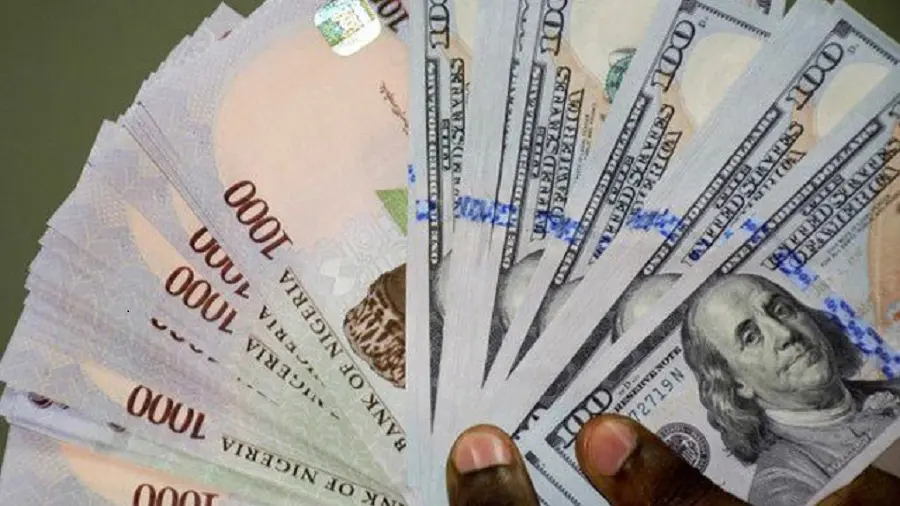
The Nigerian naira posted a modest gain against the official foreign‑exchange market on Wednesday, interrupting a recent streak of depreciation. According to data released by the Central Bank of Nigeria (CBN), the official naira‑dollar rate improved to N1,379.46 per US $1, compared with N1,380.71 recorded the day before, a daily appreciation of N1.25.
In the parallel parallel market, the naira’s value slipped slightly, trading at N1,395 per dollar on Wednesday versus N1,393 on Tuesday, as reported by Abubakar Hassan, a bureau de change operator in Wuse Zone 4, Abuja. The divergence between the official and black‑market rates underscores the ongoing segmentation in Nigeria’s foreign‑exchange system.
The modest upward movement comes as the country’s foreign‑exchange reserves continue to decline. CBN figures show that reserves fell to $48.37 billion as of 28 April 2026, down from previous levels. The depletion reflects sustained pressures on the balance of payments, reduced export earnings, and the impact of high import demand.
Over the past week, the naira had been on a weakening trajectory in the official market, with the dollar gaining ground amid uncertainty over monetary policy and external financing. The latest uptick may be linked to recent CBN interventions, including limited foreign‑currency injections and tighter controls on dollar allocations to banks and importers. Analysts also note that short‑term market sentiment can be influenced by fluctuations in global oil prices, given Nigeria’s reliance on petroleum exports for foreign‑exchange earnings.
Despite the brief appreciation, the broader trend remains fragile. The official exchange rate continues to trade significantly below the black‑market level, creating arbitrage opportunities and prompting calls for greater market integration. The CBN has repeatedly signaled intent to unify the rates, but progress has been hampered by structural constraints and limited foreign‑currency inflows.
Stakeholders are watching closely for any policy adjustments that could stabilize the naira. Further interventions, such as the use of special drawing rights (SDRs) or renewed engagement with the International Monetary Fund, could affect future reserve levels and exchange‑rate dynamics. In the meantime, businesses and consumers are likely to remain cautious, as even modest fluctuations can impact import costs, inflation, and purchasing power.
The latest data suggest a temporary pause in the naira’s depreciation, but the underlying reserve squeeze and market segmentation mean that substantial volatility remains possible. Continued monitoring of CBN actions and external economic indicators will be essential for assessing the currency’s trajectory in the coming weeks.



Comments are closed for this story.