
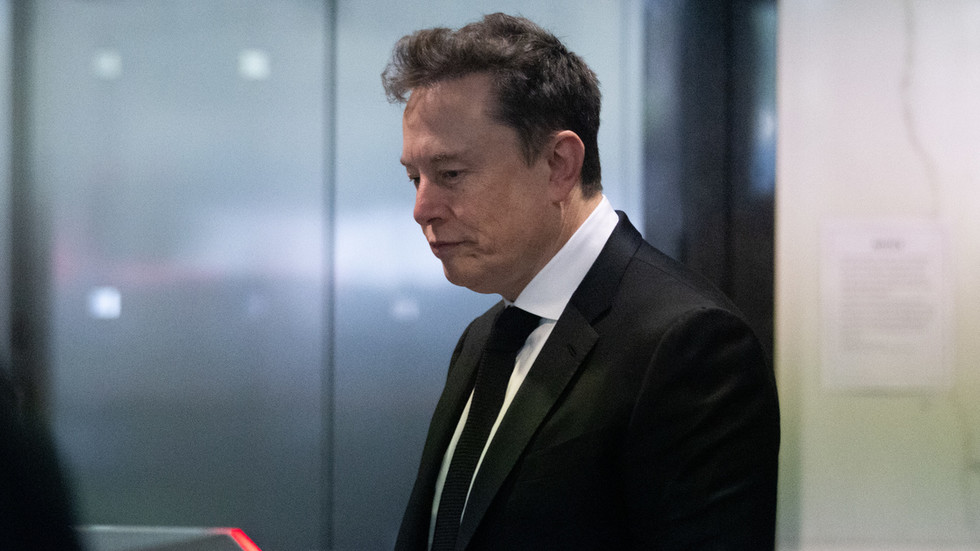
Tech billionaire Elon Musk has alleged that OpenAI’s chief executive, Sam Altman, violated the company’s original nonprofit mission by “stealing a charity” and turning the organization into a profit‑driven venture. Musk, who helped found and fund OpenAI in 2015, testified in a federal court in Oakland that he was misled about the firm’s long‑term structure and that the shift to a for‑profit model contradicts the founding agreement.
Musk’s lawsuit, filed in 2024, claims he contributed $38 million between December 2015 and May 2017 under the belief that OpenAI would remain a nonprofit dedicated to advancing artificial intelligence for the public good. He contends that Altman and co‑founder Greg Brockman later altered the company’s trajectory, creating a for‑profit arm that now houses the popular ChatGPT product and is valued at roughly $85 billion. The lawsuit seeks to remove Altman and Brockman from leadership, reverse the corporate restructuring, and obtain damages for the nonprofit parent.
During his testimony on Wednesday, Musk described his involvement as “being a fool who provided them free funding to create a startup.” He said Altman repeatedly assured him that OpenAI would retain its charitable status, assurances that later proved false, according to Musk. “They can’t have it both ways,” he said, referring to the organization’s claim to nonprofit status while generating substantial revenue for its investors and executives.
OpenAI’s legal team, led by attorney William Savitt, rejected Musk’s accusations. The company argues that no perpetual nonprofit guarantee was ever promised and that the hybrid structure—where a nonprofit parent holds a minority stake in a for‑profit subsidiary—was designed to attract capital while preserving a public‑interest mission. OpenAI also suggested that Musk’s legal action is intended to hinder its growth and to benefit his competing artificial‑intelligence venture, xAI.
The court proceedings have highlighted discrepancies in internal communications about OpenAI’s corporate form. When asked about emails discussing a for‑profit structure, Musk claimed the questions were “designed to trick me,” and declined to provide straightforward answers.
Musk, who left OpenAI’s board in 2018 after disagreements with Altman, later acquired Twitter (now X) in 2022 and launched xAI in 2023. The trial, which began Monday, is expected to run for about four weeks and could set precedents for how hybrid nonprofit‑for‑profit entities are governed in the fast‑evolving AI sector.
The outcome may influence investor confidence in AI startups that blend charitable goals with commercial ambitions, and could affect OpenAI’s ability to continue raising capital while maintaining its public‑interest commitments. Further court rulings are anticipated as the case progresses.


Comments are closed for this story.