
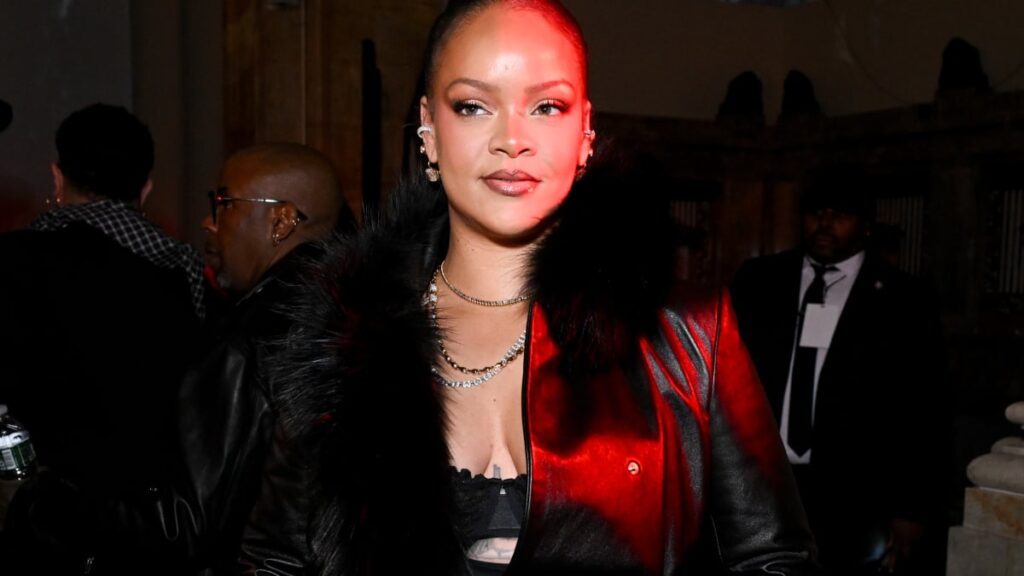
A new report from plagiarism‑detection firm Copyleaks warns that scammers on TikTok are exploiting artificial‑intelligence deep‑fake technology to impersonate high‑profile celebrities and lure users into fraudulent rewards schemes. The investigation identified a surge in fabricated “red‑carpet” videos featuring AI‑generated likenesses of stars such as Taylor Swift, Rihanna, Kim Kardashian and others. In the clips, the synthetic celebrities promote a bogus “TikTok Pay” service or a “views‑for‑rewards” program, prompting viewers to click through to external sites that request personal data.
The deep‑fakes are not seamless; analysts note irregular facial movements and mismatched audio that betray the synthetic nature of the videos. Nevertheless, scammers augment the clips with TikTok branding, textured filters and platform‑specific visual cues in an effort to evade TikTok’s automated detection tools. When users follow the embedded links, they are redirected to third‑party pages that solicit personally identifiable information and, in some cases, payment details.
Copyleaks’ findings align with a broader pattern of AI‑enabled fraud across social‑media networks. The firm highlighted that similar deep‑fake scams have appeared on other platforms, often featuring hyper‑sexualized or non‑consensual representations of public figures. These illicit uses of generative AI have prompted legal action against major tech companies; Meta, for example, faces a class‑action lawsuit brought by the Consumer Federation of America, which accuses the company of profiting from advertising scams that exploit deep‑fake content.
The entertainment industry has yet to establish a comprehensive response to non‑consensual celebrity deep‑fakes. Earlier this week, Taylor Swift reportedly filed to trademark her voice and likeness in an attempt to curb the unauthorized use of her image in AI‑generated media. Other artists and actors have pursued comparable protections, seeking legal recourse to deter the creation and distribution of synthetic impersonations.
TikTok has acknowledged the issue and stated that it is strengthening its policies and detection capabilities. The platform advises users to remain cautious of videos that claim exclusive offers or request personal information, especially when they feature celebrity endorsements that seem out of character. Users are encouraged to verify the authenticity of such content through official channels and to report suspicious videos.
The rise of AI‑driven deep‑fake scams underscores the need for heightened digital literacy and more robust enforcement mechanisms across social‑media ecosystems. As generative technology becomes increasingly accessible, both regulators and platform operators will likely face growing pressure to develop effective safeguards against fraudulent impersonation and the misuse of celebrity identities.




Comments are closed for this story.