
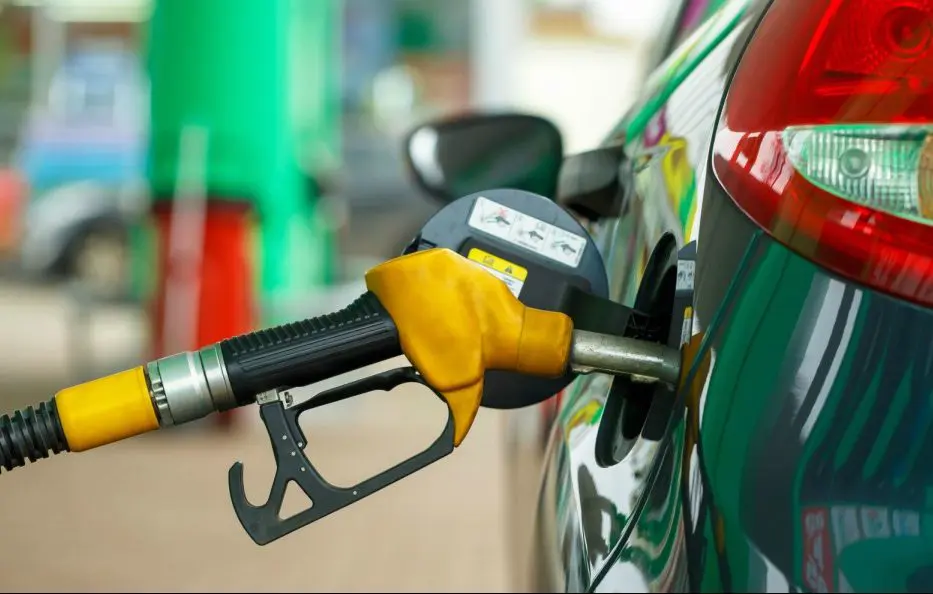
Petrol prices across Nigeria have risen sharply, with many filling stations now charging between N1,364 and N1,444 per litre, a significant jump from the roughly N900 per litre recorded in February 2026. The increase reflects the impact of higher global crude‑oil prices on the domestic market.
Daily Post’s Thursday evening survey found that major marketers—including the Nigerian National Petroleum Company Limited (NNPCL), MRS, BOVAS, Ardova (AP) and Mobil—have lifted their pump prices to a range of N1,364 to N1,370 per litre. Smaller outlets such as AA Rano, Emedab, Empire Energy and Ranoil are selling petrol at even higher levels, between N1,370 and N1,440 per litre.
The price hike follows a move by Dangote Refinery and its depot operators, who raised their gantry price to N1,275 per litre and the ex‑depot price to N1,320 per litre less than 24 hours earlier. Both entities cited a surge in international crude‑oil prices as the primary driver.
International benchmarks support the local trend. On Friday morning, Brent crude settled at $111 per barrel and West Texas Intermediate (WTI) at $105 per barrel, buoyed by ongoing geopolitical tensions involving Iran, the United States and Israel. Additional market instability stems from the United Arab Emirates’ recent exit from the Organization of Petroleum Exporting Countries (OPEC), which has added further volatility to global oil supplies.
Chinedu Ukadike, spokesperson for the Independent Petroleum Marketers Association of Nigeria (IPMAN), noted that while the opening of Dangote Refinery has provided some relief, the volatility of global crude prices continues to pressure domestic fuel costs. “The rise in global oil prices is significantly affecting domestic fuel costs,” he said.
The escalation in gasoline prices is intensifying public calls for government intervention, especially as Nigerians confront broader economic pressures. The timing coincides with May Day celebrations and ongoing discussions about the minimum wage, which stands at N70,000. With the cost of living climbing and fuel prices approaching N1,500 per litre, the issue is likely to remain at the forefront of policy debates.
Stakeholders are monitoring the situation closely, and further adjustments to pump prices are expected as international crude markets evolve. The development underscores the interconnectedness of global oil dynamics and Nigeria’s domestic fuel landscape, highlighting the need for coordinated responses from regulators, marketers and consumers.



Comments are closed for this story.