
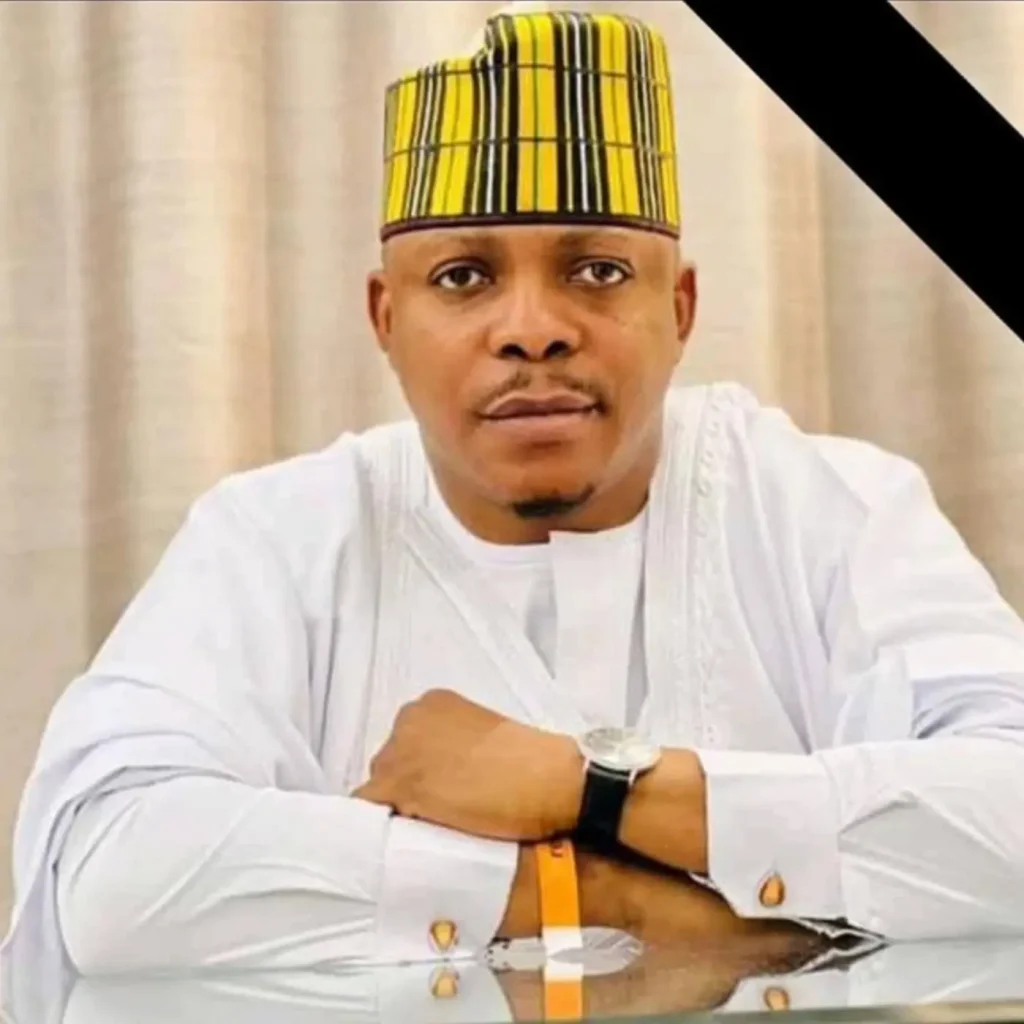
Austin Okai, a senior figure in the African Democratic Congress (ADC), has publicly criticised the party’s leading presidential hopefuls, Peter Obi and Rabiu Kwankwaso, for remaining silent after the Supreme Court’s decision on the party’s internal leadership dispute.
The Media Talk Africa reported that both Obi and Kwankwaso have not issued any statement since the apex court affirmed the leadership of former Senate President David Mark, effectively reinstating his faction as the legitimate executive of the ADC. The ruling resolves a protracted crisis that saw two rival groups lay claim to the party’s helm.
In a Facebook post, Okai questioned the duo’s lack of response, asking whether they were “not happy that their own party won the same case they were protesting.” He added that the silence was “unfortunate” given the timing—just 48 hours after the court’s judgment and subsequent public demonstrations supporting the decision.
Other senior ADC members, including former Vice President Atiku Abubakar, have also commented on the judgment. Their reactions have underscored the party’s attempt to present a united front ahead of the 2027 general elections, despite the earlier factional split.
Speculation has emerged that Obi and Kwankwaso may be considering a shift to the Nigerian Democratic Congress (NDC). The Media Talk Africa cited sources suggesting that the two leaders could abandon the ADC to join the NDC before the upcoming electoral cycle. No official confirmation from either Obi, Kwankwaso, or the NDC has been released.
Adding to the turbulence, Hon. Kabiru Adamu Abdullahi, a prominent figure in the Kwankwasiyya movement within Dala Local Government Area of Kano State, reportedly resigned from the ADC following a directive from Kwankwaso. Abdullahi’s departure highlights the internal pressures faced by the party’s regional structures as it seeks to reconcile diverging loyalties.
The Supreme Court’s verdict, delivered on [date of judgment], concluded a legal battle that began in 2022 when competing factions disputed the legitimacy of the ADC’s national executive committee. The court’s affirmation of David Mark’s leadership restored the party’s constitutional hierarchy and mandated the removal of parallel structures that had been operating since the split.
The ADC’s next steps involve re‑establishing cohesive governance and preparing for the 2027 presidential race. The party’s ability to retain its prominent members and manage internal dissent will be pivotal in determining its electoral prospects. Observers note that the silence of Obi and Kwankwaso, combined with reports of possible defections, could affect the party’s stability and voter confidence as the election calendar advances.


Comments are closed for this story.