
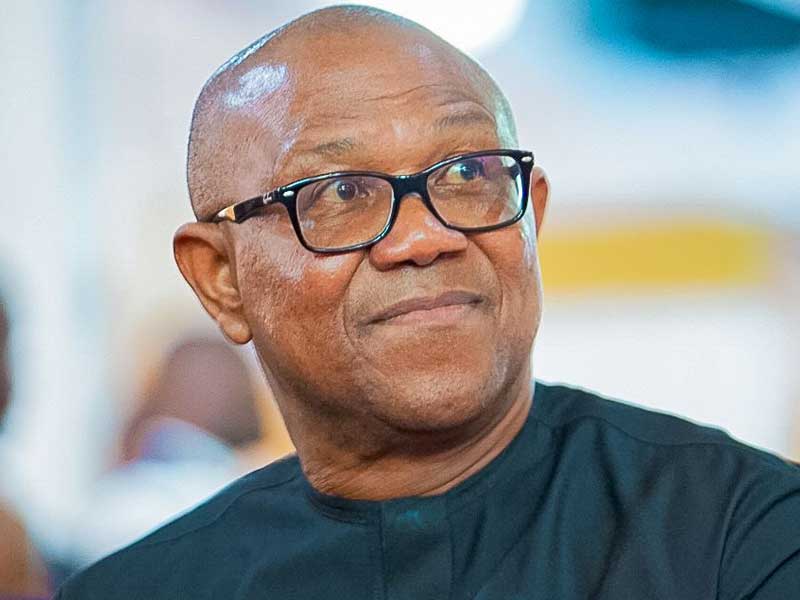
The Obidient Movement Worldwide announced on Saturday that Peter Obi, the Labour Party’s 2023 presidential candidate, is engaged in “extensive, high‑level consultations” with key stakeholders, political allies and aligned movements regarding his ambition for the 2027 election.
Yunusa Tankar, the movement’s National Coordinator, issued the statement after a series of reports raised questions about recent political manoeuvres and the status of Obi’s relationships with current and prospective partners.
The clarification comes amid rumors that the Kwankwasiyya movement, represented by spokesperson Habibu Mohammed, had indicated a planned defection of Obi and former Kano governor Rabiu Kwankwaso from the African Democratic Congress (ADC) to the Nigeria Democratic Congress (NDC). Mohammed said the switch would occur next week following a unanimous endorsement by stakeholders.
Since the all‑opposition leaders’ summit in Ibadan in April, Obi has not taken part in any ADC meetings, fueling speculation about his political alignment. Tankar’s statement emphasized that Obi’s ongoing dialogues are “focused on determining the most strategic and effective path forward in the best interest of the Nigerian people and their shared mission to build a new Nigeria.”
“The movement was founded on integrity, accountability and active citizen participation,” Tankar added. “We remain dedicated to ensuring that every decision taken reflects our values and long‑term vision for the country.” He described the consultations as “deliberate, thorough and guided by the overriding objective of securing a future that works for all Nigerians.”
The Obidient Movement, which emerged in 2022 as a grassroots platform supporting Obi’s 2023 campaign, has positioned itself as a conduit for public input on policy and governance. Its clarification seeks to reassure supporters that Obi’s political activities are being coordinated through structured, inclusive processes rather than ad‑hoc negotiations.
Analysts note that the timing of the statement coincides with increased maneuvering among opposition parties ahead of the 2027 electoral cycle. The possibility of a shift from ADC to NDC could reshape coalition dynamics, particularly in the northern states where Kwankwaso commands significant influence.
For now, the movement has not disclosed the identities of the stakeholders involved nor provided a timetable for the consultations. Observers will watch for further announcements that could signal formal realignments or the launch of a coordinated opposition platform ahead of the next general election.
The developments underscore the fluid nature of Nigeria’s opposition landscape and highlight the strategic calculations leaders are undertaking as the 2027 presidential race approaches.

Comments are closed for this story.