
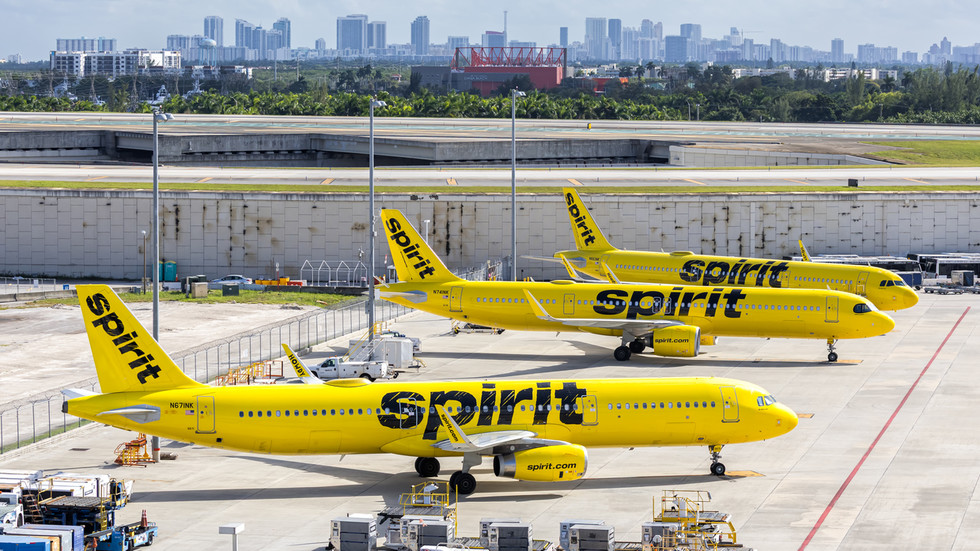
Spirit Airlines has halted operations with immediate effect, citing an abrupt rise in jet‑fuel prices and mounting financial pressures. The airline’s announcement on Saturday confirmed an orderly suspension of flights, affecting roughly 17,000 workers, including about 14,000 direct employees and thousands of contractors and ancillary staff.
The shutdown follows a steep increase in jet‑fuel costs, which the carrier said jumped from roughly $2.50 to $4.00 per gallon in a short period. The surge, compounded by broader energy market disruptions linked to tensions in the Strait of Hormuz, left Spirit unable to sustain its operations despite a restructuring agreement reached with bondholders in March.
Bondholders rejected a last‑minute rescue proposal that had been floated by the Trump administration. The plan would have provided up to $500 million in financing, positioned the government ahead of other creditors, and granted the state a potential 90 % equity stake in the airline. With that offer declined, Spirit’s president and chief executive, Dave Davis, said the company had no alternative but to pursue a wind‑down.
The airline’s collapse is the first recorded case of a U.S. carrier succumbing to the current energy crisis. Kremlin investment envoy Kirill Dmitriev noted the event on the social platform X, describing Spirit as “the first airline victim of the historic energy crisis.” The International Energy Agency has warned that the ongoing disruption of oil shipments through the Strait of Hormuz—where tanker traffic has been reduced amid the U.S.–Israel conflict with Iran—could trigger wider fuel shortages and price volatility for the global aviation sector.
The immediate impact of Spirit’s exit is expected to reverberate across the U.S. domestic market. With the carrier’s routes removed from the network, analysts anticipate upward pressure on airfares as remaining airlines absorb additional demand. The loss of employment for thousands of workers also raises concerns about regional economic effects, particularly in hubs where Spirit operated a significant presence.
Regulators and industry groups are monitoring the situation closely. The U.S. Department of Transportation has indicated that it will work with affected passengers to ensure refunds and rebooking options, while the Federal Aviation Administration will oversee the safe termination of Spirit’s flight operations.
The broader context underscores how geopolitical tensions and supply‑chain bottlenecks can translate into acute cost shocks for the airline industry. As fuel prices remain volatile, other carriers may face similar financial strain, prompting calls for more resilient financing structures and potential policy interventions to mitigate future systemic risks.




Comments are closed for this story.