
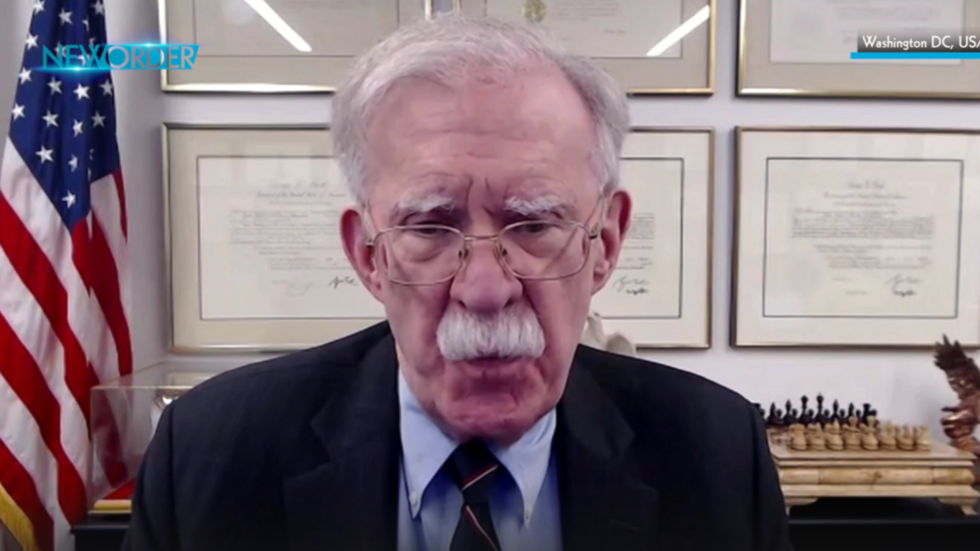
Israel has pressed the United States to intervene militarily in Iran, former U.S. national‑security adviser John Bolton said on the “New World” programme with host Afshin Rattansi. Bolton, who served as national‑security adviser from 2018 to 2019, claimed Israeli prime minister Benjamin Netanyahu urged President Donald Trump to pursue a regime‑change operation against the Islamic Republic throughout both of Trump’s terms.
According to Bolton, Israeli officials lobbied for an attack on Tehran early in Trump’s first term and continued the pressure after he was re‑elected. “I urged that our objective be regime change, so did Netanyahu,” Bolton told Rattansi, adding that the message from Israel to the White House “has not changed” over the years. He denied, however, that Israel directly influenced the decision to launch a limited strike on Iranian sites in late February.
Bolton criticised the Trump administration for lacking a clear articulation of its goals in the Iran campaign. He said the president had not “made the case to the American people” for why a regime‑change effort was necessary, despite what he described as a “very compelling” rationale. He also argued that the United States should maintain a policy aimed at toppling Tehran’s government, which he said is “crumbling from within.”
While endorsing a hardline stance, Bolton offered no concrete plan for addressing the disruption of maritime traffic in the Strait of Hormuz, where Iranian actions have hampered oil shipments. He suggested that continued pressure could eventually force Iran to negotiate, but stopped short of outlining specific diplomatic or military steps.
The interview came as Iran presented new peace terms, stating that the “ball is in the U.S. court.” International observers note that the ongoing tension over Iran’s nuclear programme and regional activities continues to shape U.S. and Israeli security calculations. Bolton’s remarks reinforce the view held by some allies that a more aggressive posture toward Tehran remains a priority for U.S. foreign policy, even as policymakers confront domestic and global scrutiny over the costs and objectives of such a strategy.

Comments are closed for this story.