
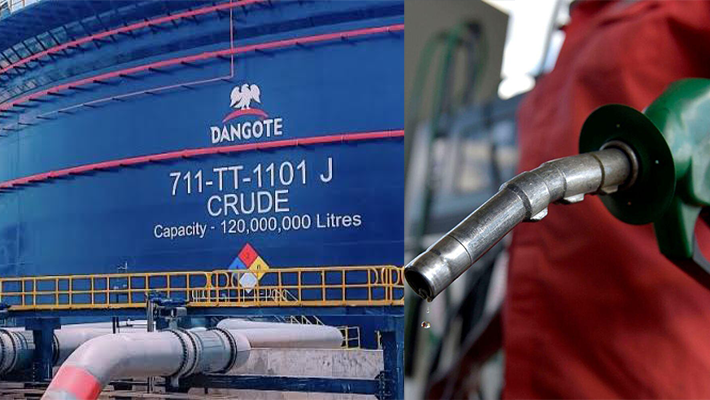
Dangote Refinery has raised the ex‑depot price of gasoline by N75, taking the cost to N1,350 per litre. The adjustment follows an earlier increase of the same amount that took the price from N1,200 to N1,275 per litre on 29 April.
The latest hike, announced on 5 May, marks the refinery’s first price revision in the current month. By adding N75 to the ex‑depot rate, the company has lifted the retail price for consumers by roughly 5.9 percent.
Dangote Refinery, Nigeria’s largest integrated oil and gas operation, sets the ex‑depot price that fuel distributors use as a benchmark for retail sales across the country. The ex‑depot figure reflects the cost of fuel delivered to distributors, excluding taxes, transport and other downstream expenses. Changes to this price therefore influence the final amount motorists pay at service stations.
The April increase, also of N75 per litre, was the refinery’s first adjustment in more than a year, breaking a period of relative price stability. Analyses by industry observers linked that move to fluctuations in crude oil markets, refining margins and the cost of imported feedstock.
Since its commissioning, the Dangote Refinery has been pivotal to Nigeria’s aim of reducing dependence on imported fuel. Its capacity to produce up to 650,000 barrels of refined products daily positions it as a cornerstone of the nation’s energy security strategy. However, the refinery’s pricing decisions continue to be closely watched by regulators, consumer groups and the broader public, given the direct impact on transportation costs and inflationary pressures.
The recent price rise comes amid a global backdrop of volatile oil prices, with Brent crude trading near US$80 per barrel and regional supply constraints affecting the West African market. While the refinery has not provided a detailed rationale for the latest increase, it is consistent with its policy of adjusting ex‑depot rates in response to changes in input costs and market conditions.
Stakeholders are expected to monitor the effect of the new price on retail fuel levels and on the broader cost of living in Nigeria. The adjustment also underscores the importance of the refinery’s role in the domestic fuel supply chain, highlighting how upstream cost dynamics translate into end‑user prices.



Comments are closed for this story.