
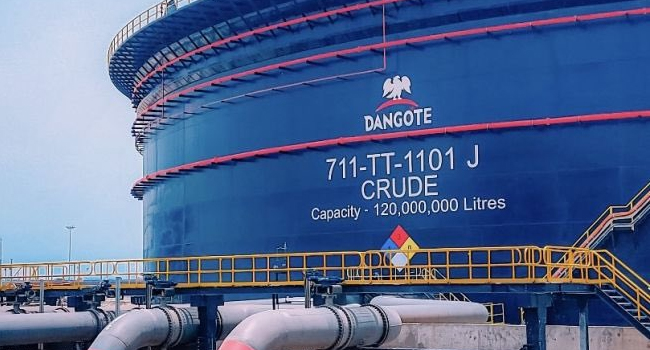
Nigerian crude producers delivered less than half of the volumes required under the Domestic Crude Supply Obligation (DCSO) in the first quarter of 2026, regulator data show.
The Upstream Petroleum Regulatory Commission (NUPRC) reported that actual supplies to Dangote and other local refineries fell to 28.5 million barrels in Q1 2026, against an allocation of 61.9 million barrels and 68.7 million barrels offered by producers. The shortfall represents roughly 46 % of the allocated amount and about 41 % of the volumes offered.
The regulator attributes the gap mainly to pricing differences between crude producers and domestic refiners. Transactions continue to be conducted on a “willing buyer, willing seller” basis, according to the commission.
Monthly data reveal a persistent mismatch between targets and deliveries. In January, the commission set a supply target of 22.6 million barrels after stakeholder consultations. Producers offered 25.3 million barrels – an 11.9 % increase over the target – but only 9.2 million barrels were delivered. February saw an allocation of 20.5 million barrels, with producers offering 19.8 million barrels; actual supply slipped to 9.1 million barrels, missing the target by 700,000 barrels. By March, deliveries rose modestly to 10.1 million barrels, while allocations were 18.8 million barrels and producers offered 23.6 million barrels – a 25.5 % surplus over the requirement.
These figures highlight ongoing challenges in Nigeria’s effort to boost local refining and reduce dependence on imported fuels. The shortfall has prompted concerns from the Dangote refinery, which has complained of unreliable domestic crude supplies and pricing disputes. Analysts warn that the supply gap could limit the refinery’s output and undermine the country’s strategy to capture greater value from its oil sector.
The DCSO is mandated under the Petroleum Industry Act (PIA), which aims to improve domestic crude availability and encourage investment in local refining capacity. The NUPRC’s latest statistics suggest that, despite the regulatory framework, significant obstacles remain in aligning producer offers with refinery needs.
The commission has not indicated any immediate corrective measures, but the data underscore the need for a more coordinated approach to pricing and supply contracts if Nigeria is to achieve its goal of greater self‑sufficiency in fuel production.



Comments are closed for this story.