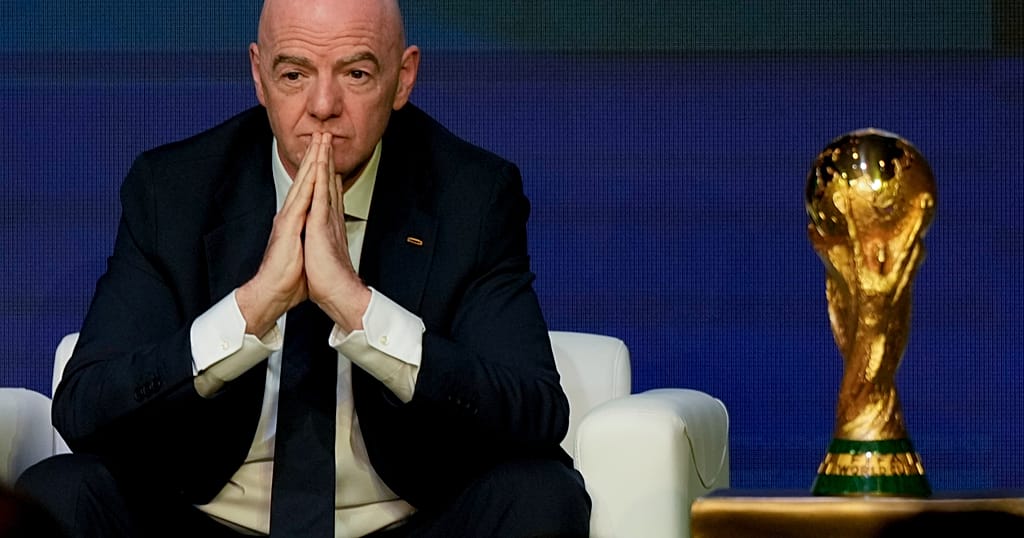
One month before the kickoff of the 2026 FIFA World Cup—the first edition to be staged across three nations—attention is shifting to a wave of controversy that could significantly shape the tournament’s legacy. The United States, Canada, and Mexico will host 48 national teams, marking an unprecedented expansion for football’s premier event. However, escalating ticket prices, accommodation costs, visa restrictions, and political tensions are prompting protests from federations, fans, and human rights observers.
The most expensive ticket for the 2026 tournament is priced at US$32,970, a stark contrast to the US$1,600 top tier for the 2022 edition in Qatar. FIFA’s senior vice president, Daniele Prade, acknowledged this disparity during a recent press briefing, explaining that the high price reflects a “premium hospitality package” that includes exclusive access to stadium suites, private lounges, and a three-day city tour experience. Despite this justification, a coalition of national football associations, led by representatives from South America and Africa, has lodged formal complaints with FIFA, accusing the governing body of “price gouging” that could undermine the sport’s universal appeal.
In response, FIFA president Gianni Infantino has pledged to review the pricing structure and urged the organization’s marketing arm to improve public communication. In a statement released on Tuesday, Infantino noted that the “global demand for World Cup tickets is historic,” with over 500 million requests recorded so far, far exceeding the combined 50 million requests for the 2018 and 2022 tournaments. He emphasized the need for a “balanced approach” to protect both the commercial viability of the event and the principle of accessibility for fans worldwide.
Beyond ticket costs, prospective visitors are facing steep accommodation and transport expenses in host cities such as New York, Los Angeles, Toronto, and Mexico City. Hotel rates have surged by an estimated 40 percent since early March, while airfares to major hubs have risen sharply due to limited capacity and heightened demand. Travel agencies report that many fans are exploring alternative lodging options, including short-term rentals and shared accommodations, to mitigate the financial burden.
Compounding these logistical challenges are tightening visa policies. The United States has introduced stricter eligibility criteria for entry, citing security concerns, while Canada and Mexico have similarly tightened documentation requirements for non-resident spectators. Advocacy groups warn that these measures could disproportionately affect fans from Africa and the Caribbean, where visa processes are already perceived as onerous.
Political developments in the United States have also entered the conversation. Critics point to former President Donald Trump’s recent statements on immigration, public demonstrations, and press freedom as factors that may create an unfavorable environment for international visitors. Human rights NGOs have issued briefings urging FIFA to monitor the situation and to work with host governments to safeguard the rights of journalists, activists, and supporters attending matches.
Amid the mounting pressure, several football federations have announced plans to organize subsidy programs for their supporters. For instance, the South African Football Association is exploring partnerships with local travel firms to offer discounted packages, while the Nigerian Football Federation has pledged to allocate funds for fan visas and accommodation.
The 2026 World Cup promises to be a landmark moment for North American sport, bringing together 48 teams and millions of viewers across three continents. Yet, the growing controversy over cost, accessibility, and the political climate underscores the delicate balance FIFA must strike between commercial ambition and the sport’s inclusive ethos. As the tournament approaches, the governing body’s response to these challenges will likely influence public perception and set precedents for future multi-nation World Cups.